How Effective Is Instagram Marketing? An Honest Guide for Business Owners
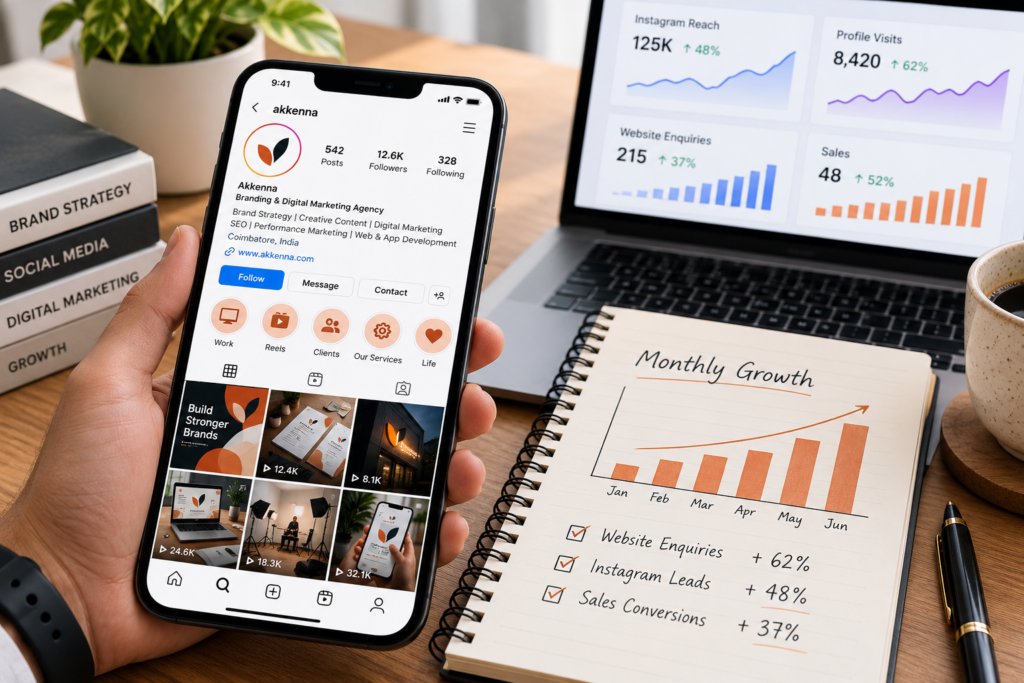
Instagram marketing can be very effective, but not for every business and not in every form. It tends to work best when your product or service is visual, your customers already spend time on the platform, and you post consistently with a clear goal. It tends to disappoint when it’s treated as a place to share occasional offers and wait for sales.
That’s the honest answer most business owners need before committing time or budget. This guide explains what “effective” actually means on Instagram, where the platform performs well, where it falls short, how it varies by industry, and how to test whether it’s working for your business.
A quick note: results depend on your category, content quality, consistency, and budget. Treat what follows as a framework for your own testing, not a promise of outcomes.
What “Effective” Actually Means on Instagram
Instagram is effective when it moves a business goal you can name. Followers and likes are useful signals, but they aren’t the goal. Before judging the channel, decide which job you want it to do.
| Goal | What to measure | Signs it’s working |
|---|---|---|
| Awareness | Reach, non-follower reach, Reels views | More new people discovering you each month |
| Engagement and trust | Saves, shares, comments, profile visits | People saving posts, sharing them, and asking questions |
| Website traffic | Link clicks, sessions from Instagram in your analytics | Visitors from Instagram who browse beyond one page |
| Leads and enquiries | DMs, form fills, calls, bookings | Enquiries that start in DMs or mention Instagram |
| Sales | Orders, revenue, return on ad spend | Sales you can trace to Instagram links or campaigns |
Most businesses use Instagram for two or three of these at once. Problems start when an account is judged on sales but run like an awareness channel, or the other way round.
Why Instagram Marketing Works for So Many Businesses
The case for Instagram starts with scale. Estimates drawn from Meta’s advertising data put Instagram’s addressable audience in India above 500 million in every month of 2026 so far, with 25 to 34-year-olds the largest age group (NapoleonCat). That’s an ad-audience estimate, not a count of unique people, but it shows how many customers are reachable. Advertisers have noticed: TAM AdEx data showed Instagram carried 64% of tracked digital ad impressions in India from January to September 2025 (Social Samosa).
Audience size alone doesn’t make a channel effective, though. These are the strengths that matter for a business:
- Visual discovery. People open Instagram to look at things: products, places, food, before-and-after results. If your offer looks good, the platform does some of the selling for you.
- Reach beyond your followers. Reels and recommendations can put your content in front of people who don’t follow you yet, so a small account can still be discovered.
- Direct conversations. Many customers would rather send a DM than fill in a form. For local and service businesses, DMs often become the main enquiry channel.
- Social proof. Comments, tagged posts, customer content, and creator collaborations show real people using what you sell.
- Targeted paid reach. Instagram ads run through Meta’s ad system, so you can target by location and interests, and re-engage people who’ve already interacted with you.
- A shop window that’s always open. For many customers, your profile is the first thing they check before visiting, calling, or buying.
Where Instagram Marketing Falls Short
Instagram isn’t the right answer for every business or every goal. Knowing its limits helps you set realistic expectations.
- Organic reach is unpredictable. Instagram changes features and ranking regularly. A post that reached thousands last month may reach far fewer this month, so depending on one platform alone is risky.
- It takes steady effort. Effective accounts post consistently, reply to comments and DMs, and produce video. That’s real time, whether it’s yours or a team’s.
- Results compound slowly. Organic Instagram builds familiarity over months, not days. Businesses expecting immediate sales from a handful of posts are usually disappointed.
- Likes don’t pay bills. It’s easy to chase followers and engagement that never turn into enquiries. Without tracking, activity looks like results.
- Some buyers aren’t there to buy. Technical, high-value, or tender-based B2B purchases are usually researched through search, LinkedIn, referrals, and direct sales. Instagram can support credibility, but it rarely drives those decisions alone.
- Some categories have rules. Healthcare, rehab, finance, and similar sectors face advertising regulations and platform policies that limit what you can say and promote. Our guide on how to market a drug rehab center covers one example.
How Effective Is Instagram Marketing by Industry?
How well Instagram works depends heavily on what you sell. Here’s how it tends to play out for common business types.
Where Instagram Is Usually a Strong Fit
1. Fashion and lifestyle brands
Fashion is one of Instagram’s most natural categories. Customers discover styles, check fit and fabric in Reels, and follow labels whose look they like.
What works: styling Reels, try-ons, behind-the-scenes production, and creator collaborations.
Brand and digital angle: a recognisable look across every post matters as much as the products. Our 15 fashion marketing tips cover how to promote a label online.
2. Jewellery
Jewellery is a high-trust, high-value purchase, and Instagram is often where customers shortlist designs before visiting a showroom.
What works: close-up product video, occasion styling, craftsmanship stories, and clear information on purity and certification.
Consider: few people buy an expensive piece from a single post. Measure appointment requests, showroom visits, and DMs, not just likes. A refined brand identity and consistent photography signal quality before anyone walks in.
3. Beauty, salons, and aesthetics
Visible results make beauty one of the easiest categories to show on Instagram.
What works: before-and-after content shared with consent, tutorials, and short customer testimonials. Creator-style UGC videos often feel more believable than polished ads.
Consider: keep claims realistic, and check the advertising rules that apply to cosmetic and medical-aesthetic treatments.
4. Food and beverage
Restaurants, cafés, cloud kitchens, and packaged food brands all benefit from how much food content people watch, especially for local discovery.
What works: short dish videos, kitchen moments, menu launches, and location-tagged posts that help nearby customers find you.
Brand and digital angle: consistency beats occasional viral posts. Regular social media marketing keeps your menu and offers in front of local customers.
5. Fitness and wellness
Studios and trainers do well when they show real people, real routines, and a community people want to join.
What works: member stories, short workout tips, class previews, and trainer-led content.
Consider: health claims need care. Focus on the experience and on consistency rather than promised results.
6. Hospitality and travel
Hotels, resorts, and homestays sell an experience, and Instagram is where many travellers picture themselves somewhere before booking.
What works: property walkthroughs, guest content, local experiences, and seasonal offers.
Brand and digital angle: keep the path from post to booking short. A clear booking flow on your own site, built through professional website design and development, saves guests from having to DM for rates.
7. D2C and e-commerce brands
For online brands, Instagram often works as both the discovery channel and the main ad platform.
What works: product demos, customer reviews, creator content, and ads that re-engage people who viewed your products.
Brand and digital angle: paid campaigns perform best when the store they lead to is fast and trustworthy. Solid e-commerce development and performance marketing work together here.
Where It Works With the Right Approach
8. Healthcare and clinics
Clinics can build trust on Instagram through education, but this is a category where restraint matters.
What works: explaining procedures in plain language, introducing doctors and staff, answering common questions, and showing what a visit is like.
Consider: patient privacy and medical advertising rules apply. Check the guidelines for your profession before sharing testimonials or outcome claims.
9. Education, coaching, and training
Coaching centres, institutes, and online educators can show teaching quality before a student ever enrols.
What works: short lessons, student results shared with permission, faculty introductions, and live Q&A sessions.
Brand and digital angle: a clear content strategy built around the questions students actually ask keeps posts useful rather than promotional.
Where It Plays a Supporting Role
10. B2B, manufacturing, and industrial businesses
For most B2B and industrial firms, Instagram supports credibility rather than generating orders. Buyers may check it to see that a supplier is active, capable, and professional.
What works: factory and process videos, project showcases, team content, and posts that help with hiring.
Brand and digital angle: your website and search visibility usually do the heavy lifting. Product demo videos made once can be reused across your site, sales meetings, and Instagram.
Organic vs Paid Instagram Marketing: Which Is More Effective?
Both can work, but they do different jobs. Most businesses get the best results by using organic content to build trust and paid campaigns to reach and convert specific audiences.
| Organic Instagram | Paid Instagram (ads) | |
|---|---|---|
| Main job | Build trust, community, and familiarity | Reach chosen audiences and drive actions |
| What it costs | Time and content production | Ad spend plus creative |
| Speed | Slow to build; compounds over months | Can start producing traffic within days |
| Control over reach | Limited; depends on ranking | High; you choose audience, budget, and schedule |
| Best for | Credibility, community, repeat customers | Launches, lead generation, sales, re-engagement |
| Main risk | Effort without measurable results | Spending on weak creative or a poor landing page |
A useful rule of thumb: let organic content show you which ideas people respond to, then put ad budget behind the ones that already work.
What Makes Instagram Marketing More Effective
The businesses that get results from Instagram usually aren’t doing anything secret. They do the basics consistently.
- Start with positioning, not posting. Know who you serve and why they should choose you before planning content. Clear brand positioning makes every content decision easier.
- Make the account instantly recognisable. A consistent profile picture, logo, colour palette, and visual style help people spot your posts in a crowded feed.
- Set up the profile to convert. Your bio should say what you do, who it’s for, and where. Use contact buttons and Highlights for services, reviews, and FAQs. Our guide on how to promote your Instagram profile covers the details.
- Lead with Reels, support with carousels and Stories. Short video drives discovery, carousels hold detail people save, and Stories keep regular followers engaged. If video feels daunting, see how to make professional videos for business.
- Post at a pace you can sustain. Consistency matters more than volume. Here’s a realistic take on how many Instagram posts per day a business needs.
- Treat DMs as a sales channel. Reply quickly, use saved replies for common questions, and note where each enquiry came from.
- Feature real people. Customers, staff, and creators make content more believable. Our guide on how to attract influencers to work with your brand explains how to start.
- Send traffic somewhere that converts. A slow or confusing mobile page wastes the attention Instagram earns you. Good UI/UX design keeps the step from post to purchase or enquiry simple.
- Review monthly and adjust. Keep what drives enquiries or sales, drop what doesn’t, and test one change at a time.
How to Measure Whether Instagram Marketing Is Working
You don’t need complex tools to judge effectiveness, but you do need to track more than likes.
- Instagram Insights: check reach, non-follower reach, saves, shares, profile visits, and link clicks for each post and Reel.
- Tagged links: add UTM parameters to the links in your bio, Stories, and ads so your website analytics can show visits, enquiries, and sales from Instagram.
- Enquiry tracking: ask new customers how they found you, and log DM enquiries in a simple sheet or CRM.
- Cost per result: for ads, compare the cost per lead or sale with what that customer is worth to you, not just the cost per click.
- Trends over time: compare month on month. One post is noise; three months of data shows a pattern.
A Simple 90-Day Test to See if Instagram Works for You
If you’re unsure whether Instagram is worth the effort, run a focused test instead of guessing.
Month 1: set up
- Choose one main goal, such as enquiries or online orders
- Tidy the profile, bio, Highlights, and link destination
- Plan three or four content themes based on real customer questions
- Set up tracked links and an enquiry log
Month 2: publish consistently
- Post at a pace you can keep, with Reels as the main format
- Reply to every comment and DM within a working day
- Note which posts drive saves, shares, profile visits, and enquiries
Month 3: add a small paid test
- Promote your two or three best-performing posts to a defined audience
- Compare the cost per enquiry or sale with your other channels
- Decide whether to scale up, adjust, or put the effort elsewhere
Make Instagram Part of a Brand That Works Everywhere
Instagram is most effective when it isn’t working alone. Accounts that perform tend to sit on a clear brand, a consistent identity, content made with a purpose, and a website or store that turns attention into action.
That connected approach is how Akkenna works. We bring brand strategy and identity, content and video, social media and performance marketing, and website and app development together in one team, so what people see on Instagram matches what they experience everywhere else.
Wondering whether Instagram can work for your business? Talk to Akkenna about your brand and social strategy, or see our work first.
FAQ
Is Instagram marketing worth it for small businesses? Often, yes, especially for local, visual, and consumer-facing businesses. It costs little to start and lets you reach nearby customers directly. It’s worth it when you can commit to consistent posting and replying, and when you track enquiries or sales rather than followers alone.
How long does Instagram marketing take to work? Organic results usually build over several months of consistent posting. Paid campaigns can bring traffic within days, but they still need testing to become cost-effective. Ninety days is a reasonable minimum before judging the channel.
Is Instagram better than Facebook for business? It depends on where your customers spend time and what you sell. Visual, lifestyle, and younger audiences often lean towards Instagram. Because both run on Meta’s ad system, many businesses run campaigns on both and compare results.
Can B2B companies use Instagram effectively? Yes, but usually as a supporting channel. Instagram helps B2B firms show capability, culture, and credibility, and it can help with hiring. Leads for technical or high-value deals tend to come from search, LinkedIn, referrals, and direct sales.
Do I need to run Instagram ads? Not always. Organic content can build a strong presence on its own, especially for local businesses. Ads make sense when you want faster reach, need to target specific customers, or want to re-engage people who’ve already interacted with you.
What type of content works best on Instagram for business? Reels tend to drive discovery, carousels suit detailed or educational content, and Stories keep existing followers engaged. The right mix depends on your audience, so test formats and compare results.
How much does Instagram marketing cost? Organic Instagram costs time and content production. Paid campaigns add ad spend, which you set. If you work with an agency, cost depends on scope: content volume, video production, community management, and ad management.
How do I know if my Instagram marketing is effective? Tie it to a business goal. Track enquiries, website visits, and sales from Instagram using tagged links and an enquiry log, alongside reach and saves in Instagram Insights. If those numbers improve over three months, it’s working.
