How Packaging Influences Consumer Behavior
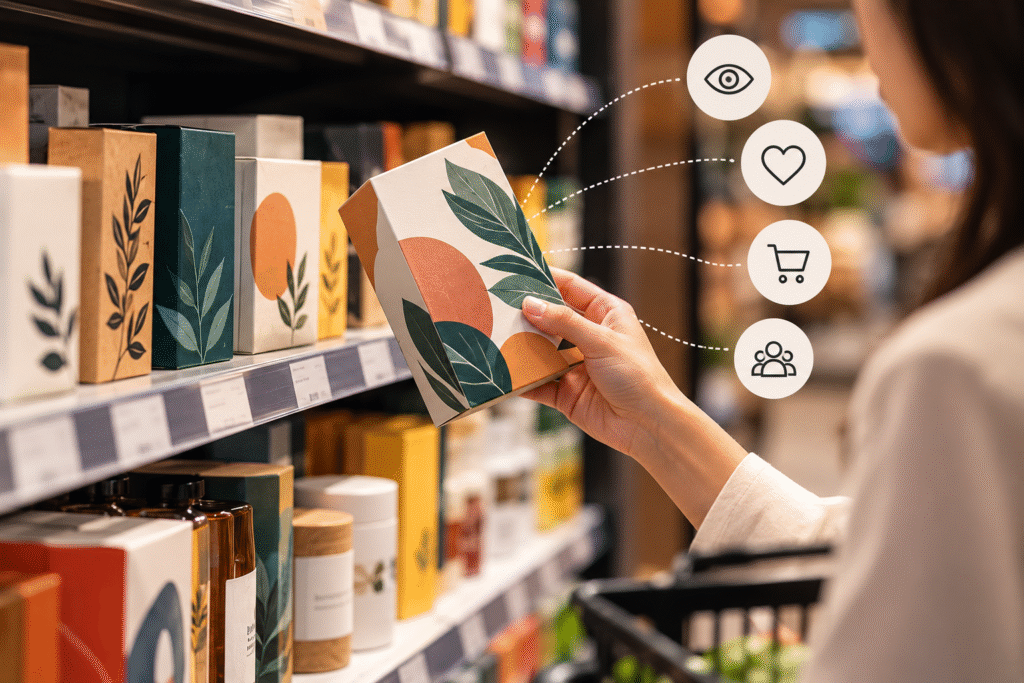
Packaging influences consumer behavior by acting as a product’s first and sometimes only impression before purchase. In India, 65% of consumers have bought a product for the first time from the shelf purely because of attractive packaging, and 55% have repurchased a product because they liked its pack. Packaging shapes trust, perceived quality and the buying decision itself, often before a customer knows anything else about the brand.
Why packaging carries so much weight
For most products, especially in a retail or online listing, packaging is the only exposure a first-time buyer gets before they decide whether to pick it up. There’s no salesperson, no long product description, sometimes not even a review. The pack has to communicate quality, category and trust in the few seconds a shopper spends deciding.
This is why packaging researchers describe it as one of the most influential factors in consumer choice, alongside price and brand reputation, but often ahead of both for a first-time purchase.
What the data shows in India
A study covering 10 countries, including India, found:
- 65% of Indian consumers have bought a product for the first time from the shelf because of attractive packaging.
- 55% have repurchased a product again because of its packaging.
- 50% have switched away from a brand after disliking a redesigned pack.
- Only 17% of Indian consumers are satisfied with packaging overall, which means most brands are leaving trust and repeat purchases on the table.
Separately, Indian rural-urban research found that packaging plays a stronger role for rural buyers, who often use it as a signal that the product inside is of reliable, factory-made quality.
How packaging shapes the buying decision, step by step
- Grabs attention on the shelf or in a feed. Colour, shape and contrast decide whether a product gets noticed at all among competitors.
- Signals quality before the product is touched. Material, finish and print quality tell a shopper what to expect inside, fairly or not.
- Builds trust through clarity. Clear labelling, ingredients and net weight reduce hesitation, especially for food, health and beauty products.
- Creates or breaks brand recall. A distinctive pack is what a repeat buyer looks for on a crowded shelf the second time around.
- Drives impulse purchases. Packaging is one of the few tools that can prompt an unplanned purchase at the point of decision, more than most other marketing touches.
The packaging elements that matter most
| Element | What it signals |
|---|---|
| Colour | Category, mood, and shelf visibility |
| Material and finish | Perceived quality and price point |
| Typography and clarity | Trust and ease of understanding |
| Shape and structure | Distinctiveness and function |
| Imagery | What’s inside, and who it’s for |
| Functional design | Ease of opening, resealing and use |
Indian research on packaging notes that consumers judge functional aspects, like ease of opening and protection from spilling, regardless of category, even when the visual design is strong. Good-looking packaging that fails functionally still loses trust.
Where most brands lose ground on packaging
With satisfaction as low as 17% among Indian consumers, the gap is rarely about looking attractive; most packaging already tries to look good. The gap is usually:
- Inconsistency with the rest of the brand. Packaging that doesn’t match the website or social media undermines recognition.
- Ignoring the functional side. A pack that looks premium but is hard to open or reseal loses trust fast.
- No plan for a redesign. Since half of consumers have switched brands after disliking a new pack, redesigns need testing, not just approval from inside the company.
Packaging as part of one brand system
Packaging works hardest when it carries the same identity as everything else, the same colours, typography and tone that show up on the website, social media and in-store signage. Designed in isolation, even an attractive pack can feel disconnected from the rest of the brand, which is one reason packaging redesigns sometimes backfire.
If your packaging isn’t converting first-time buyers into repeat ones, it may be time to design packaging that’s built into your full brand identity, not created separately from it. Akkenna, a holistic branding agency in Coimbatore, designs packaging as part of one connected brand system, so it reinforces the same trust customers see everywhere else.
Frequently asked questions
Does packaging really affect sales, or is it just visual appeal?
Both. Visual appeal drives first-time purchase, but functional aspects like ease of use and clarity affect repeat purchase and satisfaction just as much.
Is packaging more important for some product categories?
Food, beauty and health products see the strongest effect, since customers judge quality partly by the pack before use. It also matters heavily in jewellery and gifting, where the unboxing itself is part of the experience.
Should I redesign my packaging if sales have slowed?
Possibly, but redesign carries risk. Since half of consumers have switched brands after disliking a new pack, test a redesign with real customers before a full rollout.
How much does packaging design cost in India?
Costs vary by complexity and materials. See how much packaging design costs for a fuller breakdown.
Want packaging that builds trust from the shelf onward?
A short brand audit shows whether your packaging matches the rest of your brand, and where it may be losing customers. Book a brand audit with the Akkenna team.
