How to Promote a Clothing Brand: 15 Practical Ways to Get Noticed and Get Sales
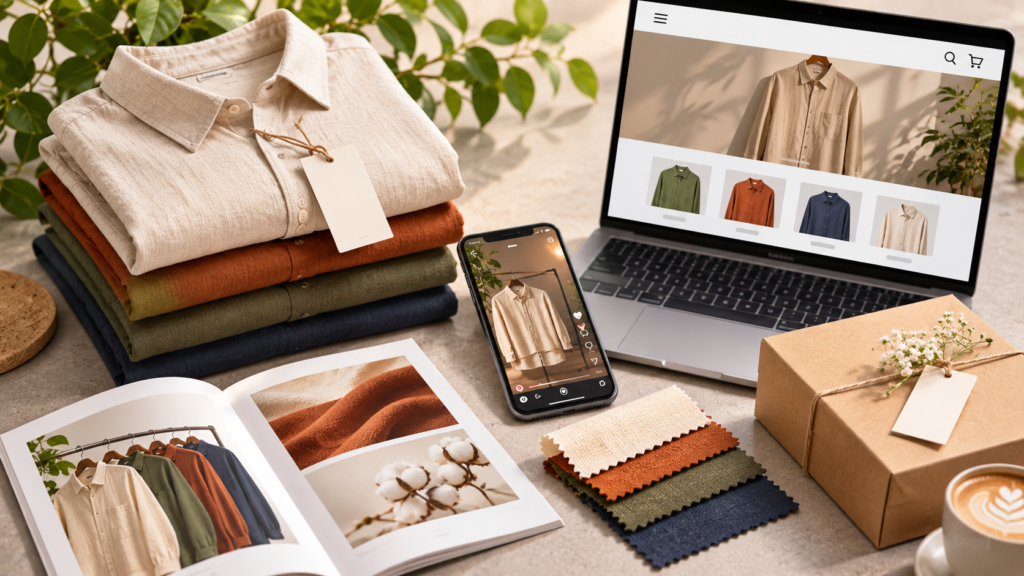
Starting a clothing brand is the easy part. Getting people to notice it is harder. Social feeds are crowded, shoppers compare dozens of similar options, and a beautiful collection doesn’t sell itself if nobody sees it, trusts it, or can easily buy it.
The brands that grow aren’t always the ones with the biggest budgets. They’re the ones with a clear identity, consistent presentation, content people want to share, and a simple path from discovery to purchase. This guide explains how to promote a clothing brand, from setting your foundations to social media, influencers, email, search, offline activity, paid ads, and retention. It’s written for founders, designers, boutique owners, and small teams, with a focus on India and relevance beyond it.
If you’re also looking for a broader playbook, our guide [15 Fashion Marketing Tips to Grow Your Brand Online] covers related ideas, and [Fashion Content Marketing: How to Build a Brand People Follow, Not Just Scroll Past] goes deeper on content.
Start With the Foundations Before You Promote
Promotion works best when the basics are in place. If customers arrive and can’t tell what you stand for, can’t see clear product details, or find it hard to buy, even excellent marketing will leak results.
1. Be clear on who your brand is for
“Clothing for everyone” is hard to promote. Define:
- Your customer: age, lifestyle, taste, budget, and where they shop now
- Your niche: workwear, festive wear, athleisure, kidswear, sustainable basics, ethnic fusion, streetwear, or something more specific
- Your point of view: craft, comfort, fit, sustainability, regional heritage, or price
- Your price position: budget, mid-range, premium
A clear brand strategy turns this into positioning and messaging, so every post, ad, and product page tells the same story and speaks to the right person.
2. Build a recognisable visual identity
Customers recognise brands before they read them. A consistent logo, colour palette, typography, photography style, and layout make your posts instantly familiar and your brand look established.
A thoughtful brand identity and a distinctive logo design give you that foundation, while consistent graphic design assets, such as templates for social posts, lookbooks, offers, and tags, keep everything cohesive as your content grows.
3. Get your product presentation right
Clothing is hard to judge online, so presentation affects trust and returns. Make sure you have:
- Clean, well-lit product photos from several angles
- Photos on real people, ideally in different sizes and body types
- Detailed information on fabric, fit, measurements, care, and model size
- A clear size guide
- Honest descriptions that set realistic expectations
4. Make buying easy
Before driving traffic, check your store. It should load fast, work well on mobile, show clear prices and delivery details, offer simple checkout, and explain returns and exchanges. Thoughtful UI/UX design and dependable e-commerce development help turn visitors into customers, and a well-built brand site through web design and development gives you a home you control beyond social platforms.
Promote Through Social Media and Content
5. Treat Instagram as your shop window
For many clothing brands, Instagram is the main discovery channel. Treat your profile as a brand surface:
- A clear bio that explains what you sell and who it’s for
- A consistent grid or visual style
- Highlights for new arrivals, size guide, reviews, delivery, and FAQs
- A link to your store or catalogue
For practical tips, see [How to Promote Your Instagram Profile: 15 Practical Ways to Grow]. Regular, planned social media marketing helps you stay visible without burning out.
6. Make short-form video a habit
Reels and Shorts suit clothing well because movement shows drape, fit, and fabric better than still photos. Ideas that tend to work:
- One piece styled three ways
- Outfit transitions for different occasions
- Fabric close-ups and how a garment moves
- Behind-the-scenes at the studio, tailor, or packing table
- Try-ons showing real fit on different body types
- Customer unboxing and reactions
Keep the opening strong, add captions, and focus on one clear idea. Lighting and clarity matter more than complicated editing. Animated motion graphics can add polish to launch teasers, size guides, and offer announcements.
7. Show how pieces are worn
A product photo shows what it is. Styling content shows how it fits into someone’s life. Show outfits for work, weddings, festivals, travel, and everyday wear. Include model height and size worn, and show multiple ways to style each hero piece. This helps customers decide and reduces return rates.
8. Share your brand story
People connect with the people and values behind a brand. Share why you started, how pieces are designed and made, the fabrics and artisans you work with, and what you stand for. Be honest and specific. Vague claims about quality or sustainability without detail reduce trust.
9. Plan content around themes
Choose three to five content pillars, such as styling, product and craft, behind the scenes, customer photos, and offers. A documented content strategy keeps your content focused, balances promotion with value, and prevents the “what should we post today?” scramble.
Promote Through People and Partnerships
10. Work with the right creators and influencers
Creators can introduce your brand to audiences who already trust their taste. To get value:
- Choose creators whose audience and style match your customer, not just those with the highest follower counts
- Start with smaller creators, who are often more affordable and engaged
- Agree on deliverables, timelines, usage rights, and how results will be measured
- Make sure partnerships are disclosed properly under platform rules and local guidelines. In India, advertising standards bodies such as ASCI publish influencer disclosure guidance, so check current requirements
- Send products that match the creator’s style, and give honest freedom in how they present them
Creator-style UGC videos are another useful option. They give you authentic, short-form content from real people wearing your clothes, which you can use on your site, in ads, and on social channels.
11. Turn customers into promoters
Happy customers are your best marketing. Encourage them to:
- Share photos and tag you
- Leave reviews with fit and quality details
- Refer friends, perhaps with a thank-you incentive that’s fair and clearly explained
- Join a community or mailing list
Repost customer content with permission, feature it on product pages, and thank people publicly. Real photos from real customers build trust that studio shoots can’t match.
12. Collaborate with other brands and communities
Partnerships can extend your reach to new audiences. Consider:
- Co-created capsule collections with designers, artists, or complementary brands
- Joint giveaways with non-competing brands that share your audience
- Partnerships with stylists, photographers, salons, cafés, or boutiques
- Community events, such as pop-ups, styling sessions, or workshops
- College, corporate, or club tie-ups for uniforms and group orders
Choose partners with a similar audience and values, and agree on clear roles and benefits.
Promote Through Search, Email, and Owned Channels
13. Make your website easy to find
Many shoppers search for what they want: “cotton kurta sets for office,” “oversized t-shirts for men,” “what to wear to a day wedding.” Help them find you by:
- Writing original product descriptions instead of copying supplier text
- Using clear category pages with helpful descriptions
- Adding descriptive image file names and alt text
- Creating blog content or guides that answer real questions, such as size guides, styling advice, and fabric care
- Keeping your site structure simple and fast
Search visibility takes longer to build than a social campaign, but it keeps working long after posts disappear from the feed.
14. Build an email and WhatsApp list
Social platforms control your reach. A list is an audience you own. Invite visitors to subscribe with early access to drops, styling tips, or restock alerts, and send updates worth opening:
- New arrivals and collection previews
- Styling edits and outfit ideas
- Behind-the-scenes stories
- Restock and back-in-stock alerts
- Festive and seasonal gift guides
- Abandoned cart reminders, where appropriate and with consent
Constant discount messages train customers to wait for sales. Mix useful content with offers. Always follow consent and privacy requirements, and make it easy to unsubscribe.
Promote Offline and Locally
15. Don’t ignore physical and local opportunities
Even an online-first clothing brand can benefit from real-world presence:
- Pop-ups and exhibitions: Let customers touch fabric and try on fit, and gather direct feedback
- Boutiques and multi-brand stores: Supply to local retailers for added reach
- Local events: College fests, weddings expos, fashion shows, and community markets
- Packaging and printed inserts: Include thank-you cards, care guides, and your social handles
- Signage and storefronts: If you have a physical shop, make the visual identity consistent
- Word of mouth: Encourage satisfied customers to tell friends and family
Thoughtful packaging design, including boxes, tags, tissue, and inserts, makes unboxing a shareable moment and reinforces your brand.
Use Paid Promotion When the Basics Work
Paid ads can speed up growth, but they work best after your product photos, pricing, and checkout are ready. Before spending:
- Know your numbers: product price, margin, and how much you can afford to pay to win a customer
- Start with a clear goal: awareness, traffic, or sales
- Test a few creatives: different videos, photos, headlines, and offers
- Retarget interested people: show ads to those who viewed products or added items to cart
- Track results beyond clicks: cost per purchase, conversion rate, and returns
- Send ads to the right page: a specific product or collection, not just your homepage
Structured performance marketing helps connect ad spend to measurable results. For product ad creative ideas, our guide [How to Advertise a Product on Social Media: A Practical Step-by-Step Guide] covers campaign structure and measurement in more detail.
Plan Around the Fashion Calendar
Clothing demand follows seasons and occasions. Plan promotions around:
- Wedding seasons and festive periods relevant to your market
- Seasonal changes, such as summer cottons and winter layering
- Regional celebrations important to your customers
- Back-to-college and office wear periods
- End-of-season sales and clearance
- New collection launches
Build up with teasers, styling guides, gift ideas, and last-order reminders ahead of each peak, and keep evergreen content running in between.
Retain Customers and Encourage Repeat Purchases
Promotion isn’t only about new customers. Repeat buyers often cost less to reach and tend to spend more over time. Encourage loyalty with:
- Excellent packaging, delivery, and customer service
- Easy exchanges and honest sizing guidance
- Personal notes, small surprises, or early access for loyal customers
- Style recommendations based on past purchases
- Reviews and feedback requests after delivery
- Community, such as a private group, early-access list, or styling sessions
How to Measure Your Clothing Brand Promotion
| Goal | Useful measures |
|---|---|
| Awareness | Reach, video views, follower growth, branded search |
| Engagement | Saves, shares, comments, story replies |
| Consideration | Product page views, wishlist adds, email sign-ups |
| Conversion | Orders, conversion rate, average order value, cost per purchase |
| Retention | Repeat purchase rate, email and WhatsApp engagement |
| Product feedback | Return rate, reasons for returns, reviews |
Likes alone rarely say much. Saves, shares, and repeat purchases usually reveal more about genuine interest. Review monthly and double down on what’s working.
A Simple 30-60-90 Day Promotion Plan
First 30 days: build the base
- Clarify positioning and audience
- Finalise logo, colours, and templates
- Improve product photos and descriptions
- Set up social profiles, store, and email or WhatsApp capture
- Plan your first month of content
Days 31 to 60: build visibility
- Post consistently, with a mix of styling, behind-the-scenes, and product content
- Start sending products to a few well-matched creators
- Collect early customer reviews and photos
- Launch a small collection or drop with a clear date and offer
- Start your first email or WhatsApp updates
Days 61 to 90: build momentum
- Review which content and channels drive the most interest and sales
- Test a small paid campaign on your best-performing product
- Add retargeting for visitors who didn’t buy
- Plan a collaboration, pop-up, or community event
- Prepare the next collection and seasonal calendar
Common Mistakes When Promoting a Clothing Brand
- Promoting before the basics are ready. Poor photos or a confusing store waste traffic.
- Targeting everyone. A clear niche is easier to market.
- Posting only product photos. Add styling, story, and proof.
- Chasing every trend. Stay consistent with your brand.
- Inconsistent visuals and voice. It weakens recognition.
- Relying on discounts. Constant offers can weaken perceived value.
- Choosing influencers by follower count alone. Audience fit matters more.
- Ignoring sizing and fit information. It drives returns and lost trust.
- Spending on ads without tracking. You can’t improve what you don’t measure.
- Neglecting retention. Keep the customers you’ve worked hard to win.
- Copying competitors. Differentiation is what makes people choose you.
- Giving up too soon. Brand building takes sustained effort.
A Quick Clothing Brand Promotion Checklist
- Customer, niche, and positioning defined
- Logo, colours, and templates ready
- Product photos, size guide, and descriptions polished
- Store fast, mobile-friendly, and easy to buy from
- Social profiles complete, with a content plan
- Short-form video routine in place
- Creator and customer content strategy defined
- Email and WhatsApp capture set up
- Packaging and inserts branded
- Fashion calendar planned
- Paid campaign plan and tracking ready
- Retention and review process in place
- Monthly measurement schedule set
Final Thought
Promoting a clothing brand isn’t about doing everything. It’s about doing the right things consistently: know who you serve, look and sound like yourself, show your clothes in real life, make buying simple, and give customers a reason to come back. Start with strong foundations, build visibility through content and partnerships, then add paid promotion when your store and message are working.
If you’d like help with branding, a high-converting store, content, or campaigns for your clothing brand, talk to Akkenna.
FAQ
How do I promote my clothing brand? Define your niche and positioning, build a consistent visual identity, polish product photos and store experience, post styling and short-form video content, work with suited creators, collect customer reviews, build an email or WhatsApp list, use search-friendly content, and add paid ads once the basics convert.
How can I promote my clothing brand with no money? Focus on organic content, customer photos, collaborations, WhatsApp and email lists, local events, referrals, and well-written product pages. Many early sales come from your own network and consistent, helpful content.
Which platform is best for promoting a clothing brand? Instagram is central for many clothing brands, with Pinterest and YouTube useful for inspiration and longer content. Choose based on where your target customers spend time.
How do I get my first customers for a clothing brand? Start with friends, family, and your wider network, offer a small launch collection or founding-customer offer, share content on social media, collaborate with small creators, and attend local markets or pop-ups.
Should I use influencers to promote my clothing brand? Often, yes, if the creator’s audience and style match your brand. Agree on deliverables and disclosure, start small, and measure results like any other channel.
How important is branding for a clothing brand? Very. In a crowded market, a clear identity, consistent look, and strong story help customers recognise, trust, and remember you, and support pricing.
Do I need a website to promote a clothing brand? It’s strongly recommended. A website gives you control over your brand, customer data, and margins, and it’s a place to build trust beyond social platforms.
How long does it take to build a clothing brand? It varies by niche, product, and effort. Treat it as a gradual process, track engagement and sales, and focus on consistency and learning rather than expecting instant results.
