SaaS development · Coimbatore
SaaS development.
From useful idea to working product.
Build a product around a real customer task, with the accounts, workflows and operating model it needs.
Akkenna brings product design and engineering together for new SaaS applications and existing platforms. We help define the first release, review how users move through it, and plan the integrations, data and responsibilities behind the screens.
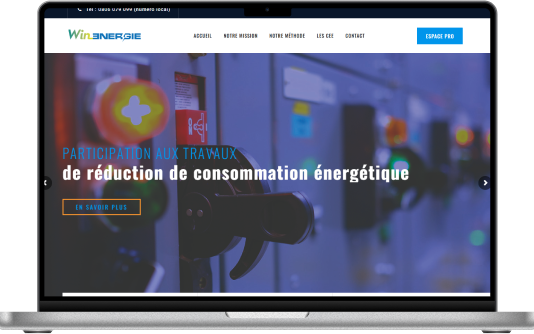

These are published Akkenna platform projects. They illustrate application work; no subscription model, SaaS tenancy or recurring-revenue result is claimed.
Choose the starting point
Define the product before choosing the platform.
A SaaS brief needs more than a feature list. Who will use it, what will they return to do, and who will operate it after launch? The right scope depends on the answers.
A product for customers
People or organisations will sign up to use a service you provide online. Their onboarding, permissions and account lifecycle form part of the product.
The useful first decisionDefine the customer, the recurring task and the first useful paid or free offering.
A tool for your own team
An internal workspace may need custom software without public sign-up or subscription billing. Access, ownership and the daily workflow may matter more.
The useful first decisionCompare an internal application with a customer-facing SaaS scope before adding unnecessary features.
An existing SaaS application
A working product may need a new module, a better journey or changes to its architecture. Its current users and data shape how changes can be introduced.
The useful first decisionReview the code, usage, support issues and dependencies before agreeing the next release.
What can be included
The application, the account and the work behind it.
Select the capabilities your product needs. Each layer brings its own user journeys, business rules and test cases; the proposal should make those boundaries visible.
User experience and onboarding
Help a new user understand the product and complete a meaningful first task.
- User journeys and screen states
- Registration, invitations and account recovery
- Prototype review and agreed accessibility checks
Core product workflows
Design the activity customers come to the application to perform.
- Records, forms and status transitions
- Approval and exception rules
- Search, reporting and export requirements
Plans and subscription journeys
Where subscriptions are part of the model, define the rules around the payment provider.
- Plan entitlements and trial behaviour
- Payment, cancellation and renewal states
- Billing permissions and reconciliation needs
Workspaces, roles and data boundaries
Decide how organisations, teams and individual users share or separate information.
- Role and permission matrix
- Tenant or workspace boundaries
- Account closure and data-handling requirements
APIs and integrations
Connect the product with the systems its users or operations team depend on.
- Supported interfaces and field mapping
- Authentication and access responsibilities
- Failed updates, retries and audit needs
Administration and product operations
Give the operating team visibility into the work required after launch.
- Administration screens and support tools
- Monitoring and usage reporting scope
- Release, recovery and handover responsibilities
Start with the workflow that creates value. Billing complexity, multiple tenants and advanced reporting should follow the product requirements, rather than become defaults in every first release.
Related platform work
Working interfaces, with clear project context.
These examples show Akkenna application work that can inform a SaaS discussion. They are not presented as evidence of a subscription-business launch, SaaS architecture or commercial performance.
Coordinate roles, quotations and installer workflows.
The published Win Energie case describes a CRM connecting businesses and installers, with quotation tools, administrator capabilities and shared documentation.
Useful project context
- Provider quotation and comparison workflows
- Business and installer matching
- Different administrator and customer rules
For a SaaS brief, the relevant discussion is how roles, records and decisions fit together. The case does not establish a particular tenancy or subscription implementation.
Explore Win EnergiePlan a platform around the people using it.
Connect Athlete is an Akkenna portfolio project connecting athletes, coaches and sports academies. The published case provides context for the product and its interface work.
Useful project context
- A platform serving different participant groups
- A published interface and product story
- A concrete reference for discussing user journeys
The connection to SaaS is the application-design discussion. Subscription billing, tenant isolation and recurring revenue are not claimed for this project.
Explore Connect AthleteIllustrative product journeys
Plan the normal journey—and what happens next.
The following are scoping examples, not additional client case studies. A useful release includes the important exceptions around a user’s main task.
Join and get started
Create an account, choose or join a workspace, and understand the first task.
Do the useful work
Complete the core workflow with the right access, information and feedback.
Change, leave or return
Manage plan changes, team access, cancellation and the agreed treatment of data.
A team member changes role.
Request access → check permissions → approve the change → record it.
Define who may invite users, change roles and remove access; test those permissions separately.
A payment fails or a plan changes.
Receive provider event → update account state → notify the right person → handle the exception.
Agree entitlements, grace periods and reactivation rules rather than assuming what a failed payment should do.
An import contains incomplete data.
Validate the file → show errors → correct or skip records → confirm the result.
Define supported formats, duplicate handling, error messages and how users review the import.
How delivery is structured
A useful first release, with review points along the way.
Development stages should produce things your team can inspect. Dates, responsibilities and acceptance criteria are agreed around the actual product scope.
Define users and value
Describe the problem, the users and the task that makes the product useful. Separate confirmed requirements from assumptions.
Reviewable outputA product brief, user groups and the first-release objective.
Map the product rules
Decide what records exist, how users move through tasks, and which roles may act on the information.
Reviewable outputA workflow map, role matrix, integrations and scope boundaries.
Review a prototype
Explore the core journey and its important states before building every screen. Use the review to resolve missing decisions.
Reviewable outputScreen designs, a reviewable prototype and recorded feedback.
Build the first complete workflow
Connect the necessary interface, backend and integrations in an increment that can be demonstrated end to end.
Reviewable outputWorking features reviewed against the agreed acceptance criteria.
Test the release
Check user journeys, permissions, integrations and failure cases using representative test data and agreed environments.
Reviewable outputTest findings, resolved release issues and acceptance decisions.
Release and hand over
Prepare deployment, operational access, documentation and the arrangement for maintenance and further development.
Reviewable outputA release checklist, ownership record and agreed support responsibilities.
Choices behind the interface
Architecture follows the product and its responsibilities.
The important questions concern what the application must do, who may access its data and how it will be operated. The technology choice comes with those constraints.
Tenancy and permissions
A shared application can support organisations in different ways. Review the necessary isolation and administration model before deciding on the structure.
- Organisation and workspace boundaries
- Role-based access and support access
- Provisioning, closure and retention requirements
Data and external services
A feature can depend on a payment provider, an identity service or another business system. Those dependencies need owners and explicit failure behaviour.
- Integration access and provider limitations
- Data ownership and reconciliation
- External subscription and usage costs
Release and operations
Define the expectations around changes, monitoring and recovery before launch. The operating model is part of the product scope.
- Hosting and deployment ownership
- Backup and recovery checks
- Monitoring, support coverage and escalation
Scope and investment
What makes a SaaS quote useful?
A clear proposal separates the initial release from later work and ongoing services. Bring a rough brief, existing screens or redacted examples; the first conversation can help make the unknowns visible.
The number of roles and their differences affect journeys, permissions and testing.
A list of user groups and the tasks each should complete.
Screen count alone does not show the complexity of the product’s rules.
One normal task and examples of exceptions or approvals.
Entitlements, provider integration and account changes affect more than checkout.
The proposed plans, billing provider and account lifecycle.
Existing records and external systems shape migration and implementation work.
Redacted sample data, interface documentation and system owners.
Training, hosting, monitoring and support require agreed responsibilities.
A preferred launch window, operating team and known constraints.
Ask for implementation, third-party subscriptions, hosting and ongoing support to be shown separately. Costs and delivery dates follow the agreed requirements and dependencies.
Before you commit
Good questions make a clearer product brief.
Make the important decisions around scope, ownership, migration and ongoing operation before development begins.
Can we start with an MVP?
Yes. Define a limited release that lets the intended users complete a useful task. Its scope can be small while its access controls, data handling and quality checks remain appropriate for those users. Later phases should be listed separately.
Does every SaaS application need multi-tenancy?
The right arrangement depends on customer isolation, administration, deployment and operating requirements. We discuss those needs before choosing a shared or separate structure; the label alone does not determine the architecture.
Can you work on our existing application?
We can review its code, environments, documentation and ownership before agreeing enhancements or a transition. Existing users, integrations and data need to be considered in the change plan.
Can the product include subscriptions and payments?
Payment integration and subscription journeys can form part of the scope. Agree the provider, plan rules, billing roles, failed-payment behaviour and account changes. Provider charges and eligibility remain separate considerations.
Can we migrate from spreadsheets or another platform?
Migration depends on the source data, the destination structure and the access available. Review a redacted sample, define validation and reconciliation checks, and agree the transition and rollback approach before committing to a cutover.
Who owns the code and service accounts?
Repository access, intellectual-property terms, licences and handover should be written into the agreement. Hosting, payment and other external service accounts also need named owners and clear access arrangements.
What happens after launch?
Agree maintenance, issue handling, monitoring and planned enhancements before release. Support hours, response arrangements and responsibilities for external providers belong in that agreement; they are not assumed from the development scope.
Can you provide a price and launch date from an idea?
An idea is enough to begin a discussion, but a useful estimate needs an agreed first-release scope, dependencies and responsibilities. Share your budget range and target date so the proposal can explain what is feasible and what needs further investigation.
Let’s define the useful first release
What should your product help people do?
Tell us who will use it, the task you want to improve and what you already have. Our Coimbatore team can help turn that starting point into a practical scope.
Use sample or redacted information for the first conversation.
A useful first message
- Who is the product for?
- What is the core workflow?
- Is this a new build or an existing application?
- What needs to connect, and who will operate it?