How Healthcare Can Use Social Media: Practical Ways for Clinics, Hospitals, and Practitioners
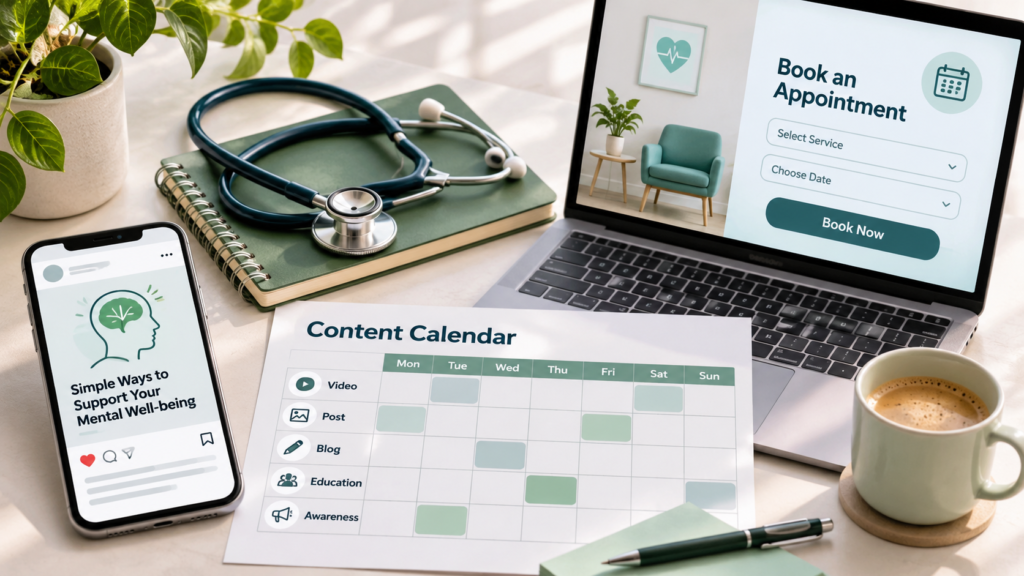
People look for health information online long before they book an appointment. They search for symptoms, compare clinics, read reviews, watch explainer videos, and ask friends and family on messaging apps. For hospitals, clinics, diagnostic centres, wellness brands, and individual practitioners, social media sits right in the middle of that journey.
Used well, it helps patients understand conditions and services, builds trust in a provider, makes access easier, and supports a healthier community. Used carelessly, it can mislead people, breach privacy, or break advertising rules.
This guide explains how healthcare can use social media responsibly and effectively. It covers practical uses, content ideas, platform choices, privacy and compliance considerations, and a simple plan to get started. It’s written for healthcare marketers, clinic owners, hospital communication teams, and practitioners.
A note first: this article is general marketing guidance, not legal, medical, or regulatory advice. Healthcare advertising and data-protection rules vary by country, profession, and service, and they change. Check current requirements with the relevant regulators, professional councils, and legal advisers before publishing.
Why Social Media Matters for Healthcare
- Patients research online. Many people check a provider’s website and social presence before choosing.
- Trust matters more in healthcare. Health decisions are personal, and people look for credibility, clarity, and empathy.
- Education is part of care. Clear, reliable information helps people understand conditions, prevention, and treatment options.
- Access can be improved. Social channels and messaging make it easier to share timings, services, camps, and contact details.
- Communities form around health. Patients and families look for support, shared experience, and guidance.
- Reputation is public. Reviews, comments, and mentions shape how providers are seen.
For healthcare, the goal isn’t just attention. It’s useful, accurate, and respectful communication.
10 Ways Healthcare Can Use Social Media
1. Educate patients and the public
Health education is one of the most valuable uses. Providers can share:
- Explanations of common conditions, in plain language
- Preventive care and healthy-living guidance
- What to expect from tests, procedures, and recovery
- Seasonal health topics, such as monsoon-related illness awareness or vaccination reminders
- Myth-busting posts that correct common misunderstandings
- Answers to frequently asked questions
Content should be accurate, reviewed by qualified clinicians, and written for general audiences. Avoid trying to diagnose individuals or give personalised medical advice in comments or posts. Instead, encourage people to consult a qualified professional.
Animated formats can make complex topics easier to grasp. A short 2D explainer video can walk through a procedure, a care routine, or how a service works, and motion graphics can present health information clearly without needing patients on camera.
2. Build trust and humanise the provider
People choose healthcare providers they trust. Social media lets you show who you are:
- Introduce doctors, nurses, therapists, and support staff (following professional rules on promotion)
- Share the clinic’s values, approach to care, and standards
- Show facilities, equipment, and hygiene practices
- Share behind-the-scenes moments that show care and professionalism
- Explain how you work with patients, from first visit to follow-up
Warm, honest, and professional content can reduce anxiety and help new patients feel comfortable before they arrive.
3. Share services and make access easier
Many people simply want to know what you offer and how to reach you. Use social media to:
- Explain services, specialities, and departments
- Share clinic timings, locations, and contact details
- Announce new services, equipment, or visiting specialists
- Promote health check-up packages and screenings (where permitted)
- Explain how to book appointments, including online and telehealth options
- Share insurance, payment, and process information
A clear booking path is crucial. If social posts lead to a confusing website, people drop off. Thoughtful web design and development and clear UI/UX design make appointment booking, service pages, and contact details easy to use on mobile.
4. Promote health camps, events, and awareness days
Social media works well for community-focused activity:
- Health camps and screening drives
- Awareness days and campaigns, such as heart health, diabetes, or women’s health days
- Webinars, workshops, and Q&A sessions with specialists
- Wellness programmes and support groups
- Blood donation drives and community partnerships
Share event details clearly, including date, place, who it’s for, and how to register. Follow up with highlights and key takeaways afterwards.
5. Share patient stories responsibly
Patient experiences can build trust, but healthcare is a sensitive area. Always:
- Obtain clear, written consent before sharing any patient story, photo, or video
- Respect privacy and avoid identifying details without permission
- Avoid making guarantees or implying that results will be the same for everyone
- Follow professional and advertising rules about testimonials, which in some jurisdictions are restricted for certain providers
- Let patients withdraw consent and remove content if they ask
If testimonials aren’t permitted or appropriate for your profession or service, focus on education, process, and facilities instead.
6. Respond to questions and manage your reputation
Patients and families often ask questions or leave reviews on social platforms. Providers can:
- Respond politely and promptly to general enquiries
- Direct people to appropriate contact channels for personal medical questions
- Thank people for positive feedback
- Acknowledge concerns and take clinical or complex issues offline
- Monitor mentions, tags, and reviews
Never discuss a specific patient’s care publicly, even to defend yourself against criticism. Move such conversations to private channels and follow privacy obligations.
7. Recruit and engage healthcare professionals
Hospitals and clinics also use social media, particularly LinkedIn, to attract doctors, nurses, technicians, and administrative staff. Share:
- Open positions and career pathways
- Training programmes and learning opportunities
- Team culture and stories from staff
- Awards, achievements, and professional development
A strong employer brand helps recruit and retain people in a competitive field.
8. Support public health communication
Providers can help share trustworthy information during outbreaks, seasonal health concerns, and campaigns. This works best when you:
- Rely on official, up-to-date sources, such as health authorities and professional bodies
- Clearly distinguish facts from opinions
- Correct misinformation politely and with evidence
- Avoid panic-inducing or sensational language
- Update or retract content quickly if guidance changes
9. Offer virtual access and follow-up
Telehealth and remote care continue to grow in many places. Social media and messaging can help patients learn about:
- Online consultation options and how they work
- Appointment reminders and preparation guidance
- Post-visit care instructions, shared through secure and appropriate channels
- Follow-up programmes and wellness check-ins
Be careful about using public social platforms or unsecured messaging for personal health information. Use secure, approved tools for anything involving patient data.
10. Build community and support
Some providers create or participate in communities where patients and caregivers share experiences, such as groups for chronic conditions, new parents, or fitness and wellness. Moderated, well-managed communities can offer support, but they need clear rules, active moderation, and a plan for removing harmful or misleading content.
Which Platforms Suit Healthcare?
Choose platforms based on your audience and the type of content you can produce responsibly.
- Facebook: Wide reach across age groups, strong for local communities, events, and Page-based information. See [How to Market Your Business on Facebook] for a practical overview of the platform.
- Instagram: Visual education, short videos, infographics, and behind-the-scenes content. Reels and carousels suit simple health explainers.
- YouTube: Longer educational videos, procedure explanations, and doctor talks that people can search for.
- LinkedIn: Professional networking, recruitment, partnerships, and thought leadership.
- WhatsApp and messaging: Appointment communication, reminders, and enquiries, using appropriate privacy practices.
- X (Twitter): Real-time updates, public health communication, and professional conversation.
Start with one or two platforms where your audience is active, and do them well.
What Content Works for Healthcare Brands?
A balanced content mix might include:
- Educational: explainers, guides, FAQs, and myth-busting
- Service-focused: what’s offered, how it works, and who it’s for
- People and culture: staff introductions, values, and behind-the-scenes
- Community: events, camps, awareness days, and partnerships
- Trust-building: facilities, certifications, and processes
- Seasonal and timely: relevant health topics at the right moments
Formats that tend to work include short videos, infographics, carousels, live Q&As, and simple text posts. Creator-style or real-voice videos can feel approachable, though for healthcare they need extra care around claims and consent. Where video is a good fit, keep it factual and calm in tone. For production tips, see [How to Make Professional Videos for Business].
Privacy, Ethics, and Compliance: Non-Negotiables
Healthcare is one of the most regulated areas of marketing. Keep these principles in mind.
Protect patient privacy
- Never share patient names, images, records, or identifiable details without explicit, documented consent
- Remove metadata and background details in photos and videos that could identify someone
- Be careful with photos taken in clinical areas
- Follow applicable data-protection laws and professional confidentiality obligations. In India, for example, rules on personal data protection and medical confidentiality apply, so check current requirements
Follow advertising and professional rules
- Medical professionals and institutions are often subject to restrictions on advertising and promotion. Check the current rules from the relevant council or regulator for your profession and service
- Many jurisdictions restrict claims about cures, guaranteed outcomes, and certain conditions or products
- Avoid misleading comparisons, exaggerated claims, and unsupported statements
- Disclose sponsorships and partnerships clearly
- Follow platform policies on health content and advertising
Keep content accurate and reviewed
- Have qualified clinicians review medical content before publishing
- Cite reliable sources where useful
- Date and update content as guidance changes
- Include a clear note that content is general information and not a substitute for professional medical advice
Handle emergencies carefully
- Make clear that social media isn’t an emergency channel
- Provide appropriate emergency contact guidance
- Don’t give individual medical advice in comments or messages
Moderate comments and community spaces
- Set community guidelines
- Remove abusive, misleading, or harmful comments
- Respond to concerns with empathy and direct people to the right contact
When in doubt, get legal and compliance advice before publishing.
Building a Healthcare Social Media Plan
Step 1: Set goals
Examples include:
- Educate the community on specific health topics
- Increase awareness of services
- Improve appointment enquiries
- Promote health camps and events
- Support recruitment
- Strengthen reputation
Keep goals specific and tied to real needs. Our guide [How to Create an Effective Social Media Strategy] explains how to build a full plan around them.
Step 2: Understand your audience
Consider the different groups you serve, such as patients, caregivers, referring doctors, employees, and the wider community. They have different needs, language, and platforms.
Step 3: Define your positioning and voice
Decide what makes your practice or hospital different, such as specialities, approach to care, technology, accessibility, or community focus. A clear brand strategy gives your content a consistent direction, and a calm, trustworthy, human tone of voice usually suits healthcare best.
Step 4: Create a consistent look
Healthcare brands benefit from a clear, professional, and approachable visual identity. A defined brand identity covers logo, colours, typography, and imagery style, and reusable graphic design templates make infographics, announcements, and awareness posts quicker to produce while keeping everything consistent.
Step 5: Plan content and approvals
Build content pillars, such as education, services, people, community, and seasonal topics. A content strategy turns those into a calendar. Include a review and approval process involving clinical and compliance checks before anything goes live.
Step 6: Publish consistently and engage responsibly
Choose a pace you can maintain, respond promptly and respectfully, and use ongoing social media marketing support if you lack capacity. For realistic posting guidance, see [How Many Instagram Posts Per Day for a Business?].
Step 7: Consider paid promotion carefully
Paid ads can help promote events, services, and awareness campaigns, but healthcare advertising is often restricted by platforms and regulations. If you use ads, check policies on health-related targeting and claims, and make sure landing pages are accurate and clear. Structured performance marketing can help manage campaigns responsibly within those constraints.
Step 8: Measure and improve
Track outcomes that match your goals:
| Goal | Useful measures |
|---|---|
| Awareness | Reach, video views, follower growth |
| Education | Saves, shares, watch time, questions answered |
| Access | Website visits, booking page views, calls, messages |
| Events | Registrations, attendance, post-event engagement |
| Reputation | Review volume and sentiment, response time |
| Recruitment | Applications, career page visits |
Use what you learn to refine topics and formats, and update your plan regularly.
Content Ideas by Type of Healthcare Provider
- Hospitals: Department spotlights, specialist introductions, health camps, patient safety practices, awareness days, and recruitment content.
- Clinics and practitioners: Plain-language explainers, FAQs, what to expect on a first visit, preventive tips, and appointment information.
- Diagnostic centres: Test explanations, preparation guidance, report turnaround information, and screening awareness.
- Dental and eye care: Oral and eye health education, myth-busting, and care routines.
- Physiotherapy and rehabilitation: Exercise guidance for general audiences, posture education, and recovery process explainers, with a note to consult a professional for individual cases.
- Mental health and wellness: Gentle, evidence-informed awareness content, stigma reduction, and signposting to help, handled with particular sensitivity.
- Pharmacies and health products: Safe-use education and general information, within regulatory limits.
Common Mistakes Healthcare Providers Make on Social Media
- Sharing patient information or images without consent. This can breach confidentiality and trust.
- Making exaggerated or guaranteed claims. It can break rules and mislead people.
- Giving personal medical advice in comments. Direct people to consultations instead.
- Posting unverified health information. Have clinicians review content.
- Ignoring comments and messages. Slow or no responses reduce trust.
- Using fear-based messaging. Calm, factual communication is more responsible and often more effective.
- Inconsistent look and tone. It weakens credibility.
- Not connecting social media to a clear booking path. Interest is lost if people can’t easily act.
- Copying competitors’ posts. Originality and accuracy matter.
- Skipping compliance review. Healthcare marketing needs extra care.
- Treating social media as only promotion. Education and community matter as much.
- Not tracking results. You can’t improve what you don’t measure.
For a broader look at how organisations use social platforms generally, see [How Businesses Use Social Media for Marketing: 12 Practical Ways].
A Quick Healthcare Social Media Checklist
- Goals defined and linked to real needs
- Audience groups identified
- Positioning and tone of voice agreed
- Compliance, privacy, and consent processes in place
- Clinical review and approval workflow set up
- Brand identity and templates ready
- Content pillars and calendar planned
- Platform choices made, with complete profiles
- Booking and contact paths clear on the website
- Moderation and response guidelines defined
- Emergency and disclaimer messaging included
- Measurement and review schedule set
Final Thought
Healthcare can use social media to educate, reassure, connect, and make care easier to reach. The providers that do it well treat it as an extension of care: accurate, respectful, consistent, and mindful of privacy and regulation. Start with education and trust, get approvals right, make booking simple, and build from there.
If you’d like help with healthcare branding, patient-education videos, a website that makes booking simple, or a content plan that fits your brand, talk to Akkenna.
FAQ
How can healthcare use social media? Healthcare providers can use social media to educate patients, share services and timings, promote health camps and awareness days, introduce their team, respond to general questions, support recruitment, communicate public health information, and build trust, while following privacy and advertising rules.
What are the benefits of social media in healthcare? Benefits include wider reach for health education, stronger trust and reputation, easier access to information, community engagement, and better recruitment. The value depends on accurate content and responsible management.
Which social media platforms are best for healthcare? Facebook, Instagram, YouTube, and LinkedIn are common choices, along with messaging apps for communication. Choose based on your audience and the content you can produce responsibly.
Can doctors and hospitals advertise on social media? Rules vary by country and profession, and many places restrict advertising and solicitation by medical professionals and institutions. Check the current rules from the relevant medical council, regulator, and platform before publishing.
Is it safe to share patient stories on social media? Only with clear, documented consent, and only where professional and advertising rules allow testimonials. Protect privacy, avoid guarantees, and remove content if a patient withdraws consent.
What should healthcare organisations avoid posting on social media? Avoid identifiable patient information, unverified claims, guaranteed results, personal medical advice, fear-based messaging, and anything that breaches advertising or privacy rules.
How do healthcare brands build trust on social media? By posting accurate, reviewed information, being transparent about services and people, responding respectfully, protecting privacy, and keeping their visual style and tone consistent.
How often should a healthcare provider post on social media? There’s no fixed number. Choose a pace you can sustain with accurate, reviewed content, and prioritise quality and consistency over volume.
