Why Is Marketing Important in Healthcare? 10 Reasons Providers Can’t Ignore It
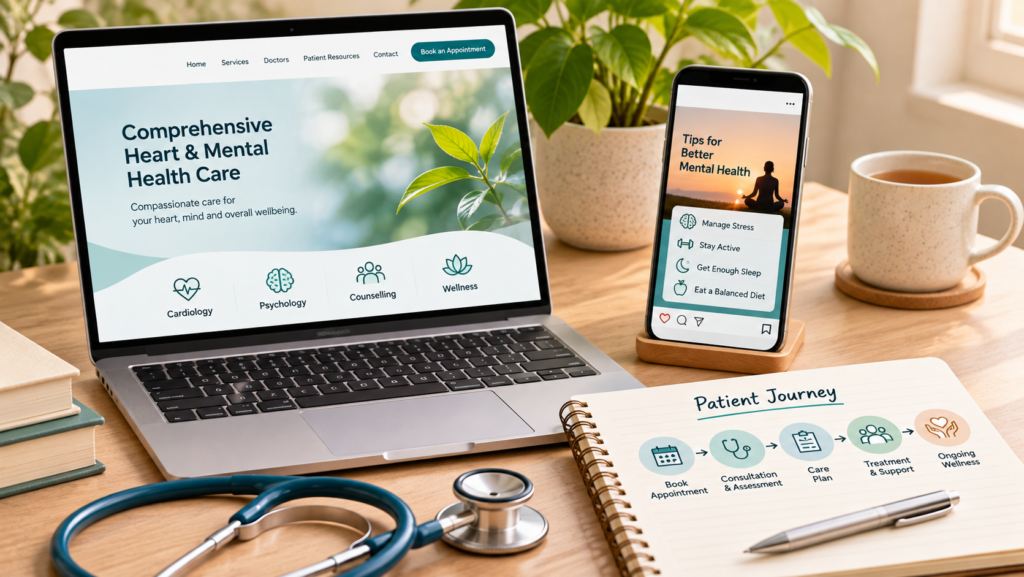
For a long time, many healthcare providers assumed that good care would speak for itself. Patients would hear about a clinic through word of mouth, a doctor’s reputation would build over the years, and a hospital’s name would carry weight on its own.
That’s still partly true. But patients now research before they book. They search for symptoms and treatments, compare clinics, read reviews, check credentials, and ask family and friends on messaging apps. If a provider isn’t visible, clear, and trustworthy online, many people simply won’t find them, or won’t feel confident choosing them.
So why is marketing important in healthcare? Because it’s how providers make themselves findable, understandable, and trustworthy to the people who need care. This guide explains the reasons, what responsible healthcare marketing looks like, and how clinics, hospitals, diagnostic centres, and practitioners can approach it.
A note first: this article is general marketing guidance, not legal, medical, or regulatory advice. Healthcare advertising, patient privacy, and professional conduct rules vary by country and profession and change over time. Check current requirements with the relevant regulators, councils, and legal advisers before publishing anything.
What Is Healthcare Marketing?
Healthcare marketing is the set of activities a health provider or health organisation uses to communicate with patients, families, referrers, employees, and the community. It includes:
- Brand and reputation building
- A website and online presence
- Patient education and health information
- Social media and content
- Search visibility and online listings
- Reviews and patient feedback
- Events, health camps, and community programmes
- Referral relationships
- Internal communication and recruitment
- Paid promotion, where permitted
Healthcare marketing differs from many other sectors in one important way: the audience is often dealing with worry, uncertainty, or illness. That calls for clarity, empathy, accuracy, and restraint. Good healthcare marketing informs and reassures. It doesn’t pressure, exaggerate, or exploit fear.
10 Reasons Marketing Is Important in Healthcare
1. Patients choose providers online first
Before booking an appointment, many people look up a provider’s website, social profiles, and reviews. They want to know what services are offered, who the doctors are, where the clinic is, what the facilities look like, and whether other patients trust it. If a provider has no clear online presence, or a confusing one, patients may choose someone who communicates better, even if the care is no better.
A clear, fast, mobile-friendly website is the foundation. Thoughtful web design and development and UI/UX design make it simple for patients to find services, doctor profiles, timings, locations, and appointment options.
2. Trust is central to healthcare decisions
Choosing a doctor or hospital is a personal decision, often made under stress. Patients look for signals of credibility: qualifications, experience, transparency, cleanliness, communication style, and patient feedback. Marketing is how providers communicate these signals consistently and honestly. A professional, calm, and consistent brand helps people feel more confident before they walk through the door.
3. Education improves health literacy
Many people don’t understand their symptoms, tests, or treatment options, and some rely on unreliable sources. Healthcare marketing can include clear, accurate educational content that explains conditions, prevention, screening, and what to expect from care. This helps patients make informed decisions, encourages earlier visits, and supports public health goals.
Animated formats can make complex topics easier to grasp. A short 2D explainer video or simple motion graphics can explain a procedure, a care routine, or a service without showing patients on camera. All medical content should be reviewed by qualified clinicians and written for general audiences, not as personalised advice.
4. It helps patients find the right care at the right time
Patients may not know which specialist to see, what services a clinic offers, or whether a test is available locally. Marketing makes services visible and easy to understand. Clear service pages, accurate listings, up-to-date timings, and straightforward contact options reduce friction, which is especially important for time-sensitive needs.
5. It builds reputation and credibility
In healthcare, reputation is everything. It’s shaped by patient experience, reviews, community involvement, and how a provider communicates. Marketing supports reputation by:
- Presenting the provider’s values and approach clearly
- Sharing accurate information about services and facilities
- Encouraging patient feedback and responding professionally
- Showing involvement in community health programmes
A recognisable brand identity and consistent graphic design across signage, reports, social media, and printed materials help a provider look organised and dependable.
6. It differentiates providers in a crowded market
In many cities, patients can choose from several hospitals, clinics, and specialists offering similar services. What sets one apart might be a specialty focus, a particular approach to care, technology, accessibility, patient experience, or community commitment. Marketing helps communicate those differences. A clear brand strategy defines what a provider stands for and who it serves, so its communication isn’t generic.
7. It supports patient acquisition and retention
Marketing helps new patients find you, and it helps existing patients stay connected. Appointment reminders, follow-up information, health tips, preventive check-up reminders, and community updates keep patients engaged between visits, which supports continuity of care. Retention matters in healthcare, because a patient who trusts a provider is more likely to return, follow treatment plans, and recommend them.
8. It strengthens referral relationships
Many healthcare services depend on referrals from other doctors, clinics, and diagnostic centres. Marketing to referrers, such as clear information about specialties, equipment, turnaround times, and communication processes, makes it easier for other professionals to refer patients with confidence.
9. It helps recruit and retain healthcare professionals
Hospitals and clinics compete for doctors, nurses, technicians, and administrative staff. A strong employer brand, shown through the organisation’s culture, learning opportunities, facilities, and reputation, helps attract skilled people. Marketing communicates this externally, and internal communication helps retain staff.
10. It supports community health and awareness
Healthcare providers have a role in public health. Marketing can spread awareness about preventive care, screening, vaccination, seasonal health concerns, and local health camps. When done responsibly, using reliable sources and clear language, it helps communities stay informed and encourages healthier choices.
Ethical Marketing in Healthcare: What to Keep in Mind
Because health is sensitive, healthcare marketing carries extra responsibility. Responsible providers:
Protect patient privacy
- Never share patient names, images, records, or identifiable details without explicit, documented consent
- Be careful with photos and videos taken in clinical settings
- Follow applicable data-protection and professional confidentiality obligations
Follow advertising and professional rules
- Medical councils, regulators, and advertising standards bodies often restrict how doctors and healthcare institutions can advertise, including claims, testimonials, comparisons, and solicitation
- Many places restrict guarantees of cure or outcomes and claims about certain conditions or products
- Platforms also have policies on health-related content and advertising
- In India, bodies such as ASCI and medical regulators publish relevant guidance, so check current requirements for your profession and service
Keep information accurate
- Have qualified clinicians review content
- Use reliable sources, and update content when guidance changes
- Make clear that general information isn’t a substitute for professional medical advice
Avoid fear-based or exaggerated messaging
Calm, factual communication is more responsible and often more effective than alarmist language.
Be transparent
Disclose partnerships, sponsorships, and relationships clearly, and don’t present marketing as neutral medical advice.
Handle emergencies appropriately
Make clear that social media and websites aren’t emergency channels, and provide proper emergency contact guidance.
When in doubt, get legal and compliance advice before publishing.
How Healthcare Marketing Supports the Patient Journey
Marketing isn’t a single activity. It supports patients at every stage.
| Stage | What the patient needs | How marketing helps |
|---|---|---|
| Awareness | Understanding symptoms, risks, or options | Educational content, awareness campaigns, search visibility |
| Research | Finding and comparing providers | Clear website, service pages, doctor profiles, reviews |
| Decision | Confidence to book | Transparent information, trust signals, easy booking |
| Visit | A smooth, reassuring experience | Clear instructions, wayfinding, consistent communication |
| Follow-up | Care instructions and support | Reminders, aftercare information, check-ins |
| Long-term | Ongoing health and loyalty | Preventive care content, community engagement, feedback loops |
Thinking in terms of this journey helps providers decide what content and channels they need, and where patients may be getting stuck.
Key Channels and Tactics in Healthcare Marketing
Website
Your website is your digital front door. It should clearly explain services, show doctor profiles and credentials, provide location and contact details, support online booking where appropriate, and work well on mobile. Providers who sell health products or packages may also need dependable e-commerce development.
Search visibility and online listings
Patients often search for symptoms, specialists, and “near me” services. Accurate, consistent business listings, well-structured service pages, and helpful articles can make a provider easier to find. Keep information up to date, including timings, addresses, and contact numbers.
Content and patient education
Articles, FAQs, videos, and infographics help patients understand their health and your services. A documented content strategy keeps topics focused on real patient questions and ensures every piece is reviewed and accurate.
Social media
Social platforms can support education, community engagement, events, and recruitment when managed responsibly. Consistent social media marketing keeps providers visible and approachable. For more on this topic, see [How Healthcare Can Use Social Media: Practical Ways for Clinics, Hospitals, and Practitioners].
Reviews and reputation
Patient feedback shapes trust. Encourage patients to share honest reviews, respond professionally and privately where needed, and use feedback to improve services. Never discuss individual patients’ care publicly.
Community and events
Health camps, awareness days, webinars, and screening programmes build trust and extend care into the community. Share details clearly and follow up with useful information.
Email and messaging
Appointment reminders, preventive care nudges, and updates for existing patients help maintain relationships, provided you use secure and appropriate channels and follow consent and privacy rules.
Paid promotion
Paid ads can help promote events, services, and awareness campaigns, but healthcare advertising is often restricted by platforms and regulations. Check policies on health-related targeting and claims. Structured performance marketing can help manage campaigns responsibly within those limits, and make sure landing pages are accurate and clear.
How to Measure Healthcare Marketing
Measure what supports your goals, while respecting patient privacy.
| Goal | Useful measures |
|---|---|
| Visibility | Website visits, search impressions, profile views |
| Education | Content engagement, video watch time, saves and shares |
| Access | Appointment requests, calls, enquiries, booking page conversions |
| Reputation | Review volume and sentiment, response time |
| Events | Registrations, attendance, post-event engagement |
| Recruitment | Applications, career page visits |
| Retention | Return visits, follow-up attendance, preventive check-up uptake |
Look for patterns rather than chasing vanity numbers. A smaller number of well-informed, appropriate enquiries is more valuable than large volumes of irrelevant attention.
Common Healthcare Marketing Mistakes
- Having no clear online presence. Patients may not find you.
- A confusing or outdated website. Missing timings, broken forms, and unclear services lose patients.
- Making exaggerated or guaranteed claims. This can break rules and mislead people.
- Sharing patient information without consent. It breaches trust and may breach law.
- Giving personal medical advice in public channels. Direct people to consultations.
- Posting unverified health information. Have clinicians review content.
- Ignoring reviews and messages. Slow or no responses reduce trust.
- Using fear-based messaging. Calm, factual communication is more responsible.
- Inconsistent branding. It weakens credibility.
- Treating marketing as separate from patient experience. Promises must match what patients actually experience.
- Not tracking results. You can’t improve what you don’t measure.
- Skipping compliance review. Healthcare marketing needs extra care.
A Quick Healthcare Marketing Checklist
- Clear positioning: who you serve and what you stand for
- Professional, consistent brand identity
- Fast, mobile-friendly website with accurate services, doctor profiles, and contact details
- Easy appointment or enquiry path
- Accurate online listings
- Clinician-reviewed patient education content
- Privacy, consent, and compliance processes in place
- Review and feedback management plan
- Community and event calendar
- Social media and content plan with moderation guidelines
- Measurement and review schedule
Final Thought
Marketing is important in healthcare because patients need to find, understand, and trust the care available to them. Done well, it’s not about selling. It’s about clear communication: helping people learn, choose with confidence, and access care when they need it. Done carelessly, it can mislead or harm. The best healthcare marketing is accurate, respectful, consistent, and aligned with the quality of care patients actually receive.
If you’d like help with healthcare branding, a patient-friendly website, educational videos, or a content plan that fits your brand and regulatory context, talk to Akkenna.
FAQ
Why is marketing important in healthcare? It helps patients find, understand, and trust healthcare providers. Marketing supports patient education, reputation, access to services, referral relationships, recruitment, and community health awareness, while helping providers differentiate themselves in a crowded market.
What is the role of marketing in healthcare? Its role is to communicate services, values, and credibility clearly, educate patients, make care easier to access, build trust, and keep patients and communities connected to ongoing care.
Is it ethical to market healthcare services? Yes, when done responsibly. Ethical healthcare marketing is accurate, respectful, transparent, privacy-conscious, and compliant with professional and advertising rules. It avoids exaggerated claims, fear tactics, and misuse of patient information.
What are the benefits of marketing for hospitals and clinics? Benefits include greater visibility, stronger trust and reputation, better patient education, improved access, more effective referrals, easier recruitment, and stronger community relationships.
What marketing channels work best for healthcare? A strong website and accurate online listings are the foundation. Patient education content, social media, reviews, community events, and carefully managed email or messaging can add reach and trust. The right mix depends on your audience and regulations.
Can doctors and hospitals advertise? Rules vary by country and profession, and many places restrict advertising and solicitation by medical professionals and institutions. Check current guidance from the relevant medical council, regulator, and platform before advertising.
How do healthcare providers build trust through marketing? By communicating accurately, showing qualifications and facilities transparently, responding respectfully to patients, protecting privacy, and keeping their message and look consistent.
How much should a clinic spend on marketing? There’s no universal figure. It depends on your goals, competition, and stage. Many providers start with the essentials, such as a good website, accurate listings, and useful content, then expand as results and capacity allow.
