Premium Branding: Why Some Brands Feel Expensive (and How to Build It)
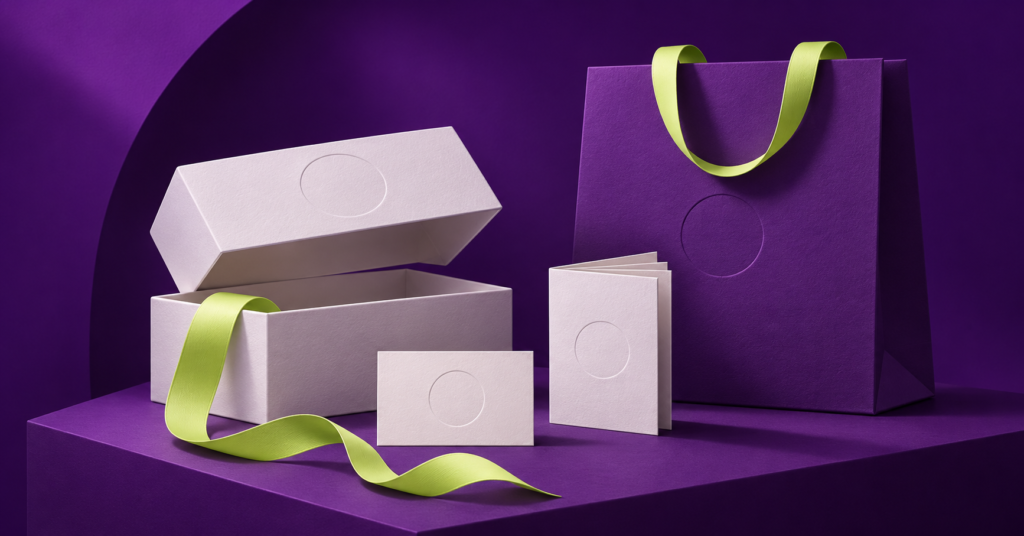
Two jewellery showrooms on the same street. Same gold rate, similar designs, similar prices. One feels like a place you’d buy a wedding necklace. The other feels like a place you’d bargain. Nobody told you which was which. You just knew.
That gut feeling is premium branding at work, and it is rarely about money. It comes from dozens of small, consistent choices that tell a customer “these people care.” This guide explains what those choices are, what quietly makes a brand look cheap, and how any Indian business, from a clinic in Peelamedu to a textile exporter in Tiruppur, can start building a brand that feels premium.
Quick answer
Premium branding is making your business feel higher in quality and more trustworthy than the alternatives, so customers are comfortable paying for it. Brands feel expensive because of restraint (they say less and shout less), consistency (they look and sound the same everywhere), care in small details (bills, bags, replies, loading speed) and a clear story. None of these need a big budget. They need discipline.
What is premium branding?
Premium branding is the deliberate design of how your business is perceived, so that customers see it as better quality, more reliable and worth more than the next option. It covers everything a customer sees, hears and touches: your name and logo, your colours and fonts, your photos, your shop or office, your website, your WhatsApp replies, your bill, your packaging and the way your staff answer the phone.
The key word is perceived. Two products can be identical. The one that is presented with more care is the one people trust more, recommend more and bargain on less.
Premium vs luxury vs “cheap”: the difference
People often use “premium” and “luxury” as if they mean the same thing. They don’t, and the difference matters for most Indian businesses, because almost nobody needs to be a luxury brand, but almost everyone benefits from feeling premium.
| Budget / “cheap” positioning | Premium | Luxury | |
|---|---|---|---|
| Main promise | Lowest price | Better quality you can trust | Rarity, status and heritage |
| Who it’s for | Everyone, mostly price-driven | A wide audience that values quality | A small, exclusive audience |
| How it talks | Loud: offers, caps, “only ₹999!!” | Calm, clear, confident | Minimal, almost silent |
| Discounts | Constant | Occasional and planned | Almost never |
| What wins the sale | The price tag | Trust and experience | Desire and belonging |
| Example in a city like Coimbatore | Wholesale market stalls | A well-run clinic, café or jewellery showroom | International designer boutiques |
Premium is accessible but feels special. Luxury is special because it is inaccessible. Most growing businesses should aim for premium.
The first-impression problem
Customers decide how they feel about a brand long before they read anything. A well-known study published in Behaviour & Information Technology found that people form a visual judgement of a web page in about 50 milliseconds, and that the first impression tends to stick. The same thing happens in the real world: with your signboard, your Instagram grid, your Google Business Profile photos and the first message you send on WhatsApp.
That means a premium brand has to look premium before it explains itself. Your product may be excellent, but if the first glance says “careless,” most people won’t stay long enough to find out.
9 signals that make a brand feel premium
These are the patterns we see again and again in brands that feel expensive, whether they are global names or a family business that has been in the same Coimbatore street for 40 years.
1. Restraint: they say less
Premium brands don’t shout. One clear message per poster, one main offer per page, plenty of breathing room. When you feel the urge to add one more line, one more sticker, one more “Hurry!”, that is usually the moment to stop. Confidence reads as quality.
2. One system, everywhere
The logo on the signboard matches the logo on Instagram, the visiting card, the carry bag, the website and the invoice. The same colours. The same fonts. The same tone of voice. Consistency is what turns a logo into a brand identity. Every mismatch, like an old logo on the delivery bag or a different name spelling on Google, chips away at trust.
3. Typography that’s chosen, not defaulted
Use one or two typefaces, used the same way every time. If you communicate in Tamil as well as English, pick a Tamil typeface that sits well beside your English one, instead of whatever the printer has installed. Clean, consistent type is one of the cheapest ways to look expensive.
4. A small, confident colour palette
Premium brands usually own one or two colours and use the rest sparingly. Think of how a single deep green, a rich maroon or a quiet gold becomes recognisable from across the road. A rainbow of colours fighting for attention does the opposite.
5. Real photography of real things
Your products, your space, your team and your customers, shot well. Stock photos of smiling models who have never visited your store make you look like everyone else. Good, honest photography and video, even shot on a phone with good light, does more for perceived value than almost anything else.
6. White space and calm layouts
Space is a signal. A crowded flex banner or a website with 14 things competing for attention feels like a discount bin. Give your important things room, and they look important.
7. Small touchpoints, done with care
The bill. The carry bag. The thank-you message after a purchase. How fast you reply on WhatsApp. Whether you answer Google reviews. The box an online order arrives in. Customers remember these moments far more than your tagline, and they are where many brands quietly lose their premium feel.
8. Speed and ease
A website that loads fast on a phone, a booking that takes two taps, a payment link that works the first time. Friction feels cheap. Ease feels like respect for the customer’s time. If you are planning a new site, our guide on how much a website costs in India explains what to budget for speed and quality.
9. A story only you can tell
Why you started. What you refuse to compromise on. Who you serve. A 30-year family jeweller, a doctor who returned home to Coimbatore to open a clinic, a mill that still checks every bolt by hand: these stories make a brand feel worth more because they can’t be copied. Premium brands tell their story often and simply.
The common thread: every one of these signals says “we thought about this.” Premium is the feeling of care, repeated across every place a customer meets you.
7 habits that make a brand look cheap
Most businesses don’t look cheap because they lack money. They look cheap because of a few habits that are easy to fall into and easy to fix.
- A stretched, blurry or “slightly different” logo each time it’s used, often because nobody has the original file.
- Five fonts and six colours on one banner or one festival post.
- Permanent offers. If there’s a sale every week, customers learn to never pay full price.
- Clip-art festival greetings and template posters that look like everyone else’s.
- A different name or look on every platform: the shop board, Google, Instagram and the website don’t match.
- Careless communication: typos, forwarded-message style captions, replies that take two days.
- Talking only about price. When price is the only message, price becomes the only reason to choose you.
What premium looks like in different industries
Jewellery
Trust is everything. Premium jewellers lead with craftsmanship, purity and heritage, use rich but restrained colours, invest in product photography that shows detail, and make the showroom experience feel unhurried. When we rebranded Sibiraja Nagai Maligai in Kangeyam, the new identity paired a gold peacock with a Tamil wordmark to carry 25 years of trust into a cleaner, more confident look. For Shree Gokulam Jewels, we built the complete brand system, from logo to collateral and social media. See more on our jewellery branding page.
Healthcare and clinics
Premium means calm, clean and reassuring: a clear name, a professional website with doctor profiles, easy appointment booking, consistent signage and fast, polite replies. Patients judge your care by how organised you look. More on healthcare branding.
Food, cafés and hospitality
Here premium is sensory. Menu design, plating, lighting, packaging for delivery orders and photography that matches what actually arrives. A beautiful interior with a laminated, typo-filled menu breaks the spell. See food and beverage and hospitality.
Fashion and D2C brands
Packaging, unboxing, consistent model photography and a fast, simple online store. For direct-to-consumer brands, the parcel is the shop. More on fashion and lifestyle branding.
Manufacturers and B2B companies
Coimbatore’s engineering, pump, textile and foundry businesses often have world-class products and a brochure from 2009. Premium B2B branding means a sharp website, clear product documentation, professional photos of the plant, consistent sales decks and a name that looks as solid as the work. Buyers, especially overseas buyers, judge your reliability by these before they ever visit.
The 12-point premium brand check
Score yourself honestly. Give one point for each “yes.”
- Do you have your logo as a proper vector file, and is it used the same way everywhere?
- Do you use no more than two fonts and a defined set of brand colours?
- Do your signboard, website, Instagram and Google Business Profile all look like the same brand?
- Can you explain what makes you different in one sentence, without mentioning price?
- Are most photos on your website and social media your own, not stock?
- Does your website load quickly and look right on a phone?
- Do you reply to WhatsApp and Instagram enquiries within a few hours during business hours?
- Do you respond to Google reviews, good and bad?
- Do your bill, invoice or quotation look designed and on-brand?
- Is your packaging or carry bag something customers would keep or reuse?
- Do you run discounts only occasionally, with a reason, rather than all the time?
- Does your team greet and talk to customers in a consistent, confident way?
10 to 12: you’re already building a premium brand, keep it consistent. 6 to 9: the foundations are there, and a few fixes will make a visible difference. 0 to 5: your product may be better than your brand shows. This is where a structured brand identity project pays off fastest.
A 30-day plan to look more premium
You don’t need to rebrand everything at once. Here is the order we’d tackle it in for most businesses.
- Week 1: Get your basics in one place. Find or recreate your logo files, fix your colours and pick your two fonts. Write one paragraph on who you serve and why you’re different. If your logo can’t be saved, consider a professional logo redesign first.
- Week 2: Fix what customers see first. Update your Google Business Profile photos and details, Instagram profile picture and highlights, WhatsApp Business profile and catalogue so they all match. Our local SEO and Google Business Profile team can help here.
- Week 3: Clean up the touchpoints. Redesign the bill or quotation template, visiting card, carry bag sticker and email signature. Set a standard reply time and a few polished reply templates.
- Week 4: Show your real work. Plan one proper photo or video shoot of your products, space and team. Replace stock images on your website and start a simple, consistent content plan built around your story.
After that, the bigger investments make more sense: a premium website, packaging, signage and performance marketing that sends people to a brand worth landing on.
A note on prices: premium branding doesn’t force you to raise prices. Many businesses keep their pricing and simply win more customers, face less bargaining and get more referrals. If you do raise prices later, a stronger brand makes it much easier.
Premium branding in Coimbatore
Coimbatore has some of the best manufacturers, jewellers, hospitals, schools and food brands in South India, and many of them are still presented as if they were ordinary. That gap between quality and perception is the opportunity. Customers here are value-conscious, but they are not cheap: they will happily pay for something that feels trustworthy and well made.
Akkenna is a branding, technology and marketing agency based in Peelamedu, Coimbatore. We help businesses across Coimbatore, Tiruppur, Erode, Salem and beyond build brands that look as good as the work behind them, in English and in Tamil. Read more about Akkenna or browse all our services.
Frequently asked questions
What is premium branding?
Premium branding is the work of making a business feel higher in quality and more trustworthy than its competitors, so customers are comfortable paying more for it. It comes from consistency, restraint, care in small details and a clear story, not from high prices or a big budget.
What is the difference between premium and luxury branding?
Luxury branding is built on scarcity, heritage and very high prices, and it deliberately keeps most people out. Premium branding is built on perceived quality and trust, and stays within reach of a wide audience. A neighbourhood clinic or a local jeweller can be premium without being luxury.
Can a small business have premium branding?
Yes. Most premium signals cost discipline more than money: one logo used correctly everywhere, two fonts, a limited colour palette, honest photography, fast replies and a tidy bill or invoice. Small businesses often do this better than large ones because the owner controls every touchpoint.
Does premium branding mean I have to raise my prices?
No. Premium branding raises how much your offer is worth in the customer’s mind. Many businesses keep their prices and simply win more customers, or face less bargaining. If you do raise prices later, a stronger brand makes the increase easier to accept.
What makes a brand look cheap?
The most common causes are too many fonts and colours, a stretched or low-resolution logo, permanent discount offers, clip-art festival posters, stock photos that don’t match the business, slow or careless replies, and a website that looks different from the shop or social media.
How long does it take to make a brand feel premium?
Quick fixes like cleaning up the logo, fonts, social profiles and Google Business Profile can be done in two to four weeks. A full brand identity with strategy, logo, guidelines, packaging and website usually takes six to twelve weeks. Perception then builds over months of consistent use.
How much does premium branding cost in Coimbatore?
In Coimbatore, as in most of India, a professional logo typically costs ₹15,000 to ₹60,000, and a complete brand identity with strategy, logo, colour and type system, guidelines and key collateral typically costs ₹75,000 to ₹5 lakh, depending on scope. Packaging, signage, photography and a website are usually quoted separately, plus 18% GST.
Is a branding agency in Coimbatore good enough for a premium brand?
Yes. What matters is the agency’s process and portfolio, not its city. A Coimbatore agency also understands how customers in Coimbatore, Tiruppur, Erode and Salem shop, works comfortably in both English and Tamil, and can review signage, packaging and print samples with you in person.
Make your brand feel as good as your work
Book a free brand review. We’ll look at your logo, website, social media, Google profile and key touchpoints, and tell you honestly what’s making your brand feel premium and what’s holding it back.
Book a free brand review Call +91 99523 25513Akkenna · Standard Towers, 287/3, Avinashi Rd, near Fun Republic mall, Peelamedu, Coimbatore, Tamil Nadu 641004
