Google Ads vs Facebook Ads: Which Is Better for Small Businesses?
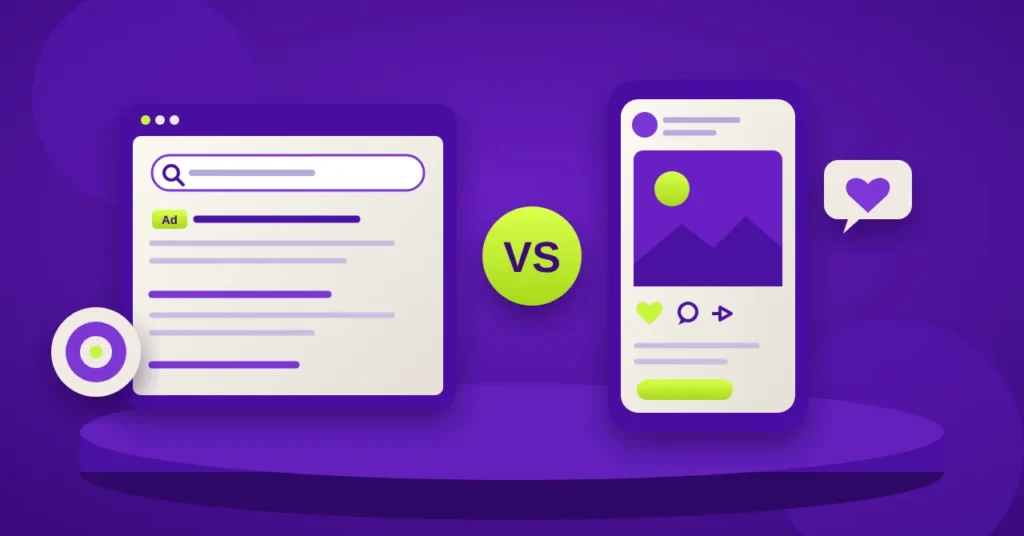
If you’re a small business owner with a limited marketing budget, you’ve probably asked this question: should I spend on Google Ads or Facebook Ads?
The honest answer is that neither is universally better. They work in different ways, reach people at different moments, and suit different goals. Google Ads is built around people who are actively searching for something. Facebook Ads, part of Meta’s advertising system that also covers Instagram, is built around showing your business to people based on who they are and what they’re interested in, often before they’ve started looking.
This guide compares Google Ads and Facebook Ads side by side, explains how each works, shows which suits which kind of business, and gives a simple way to decide where to start. It also covers how to use them together, common mistakes, and how to measure results.
A note first: ad platforms update their features, formats, names, and policies often. Treat this article as a guide to principles, and check Google’s and Meta’s current documentation before building campaigns.
The Core Difference: Intent vs Interruption
The simplest way to understand the two platforms is this:
- Google Ads captures existing demand. Someone types “plumber near me” or “buy running shoes online,” and your ad appears at that moment. They already want something, and your job is to be the answer.
- Facebook Ads creates and nurtures demand. Someone is scrolling through their feed, and your ad appears because they match an audience you’ve chosen. They may not have been thinking about your product, so your job is to catch attention and spark interest.
Neither approach is better in itself. People searching are often closer to buying, but there are only so many people searching for a specific need at any time. People scrolling are usually less ready to buy, but the audience is much larger, and ads can introduce them to something new.
What Is Google Ads?
Google Ads lets businesses show ads across Google’s network. The main formats include:
- Search ads: Text ads that appear on Google’s search results when people search for related terms
- Shopping ads: Product listings with images and prices, for ecommerce
- Display ads: Image ads shown on websites and apps across Google’s partner network
- Video ads: Ads on YouTube and partner sites
- Performance-style and automated campaigns: Campaigns that use Google’s automation to find customers across several placements
- Local and call-focused ads: Ads that encourage calls, directions, or visits
You typically choose keywords or topics, set a budget and bidding strategy, write ads, and send people to a page on your website.
What Is Facebook Ads?
Facebook Ads are run through Meta’s advertising platform, which lets you show ads on Facebook, Instagram, and other Meta placements. Main formats include:
- Image and carousel ads: Static or multi-image ads in feeds and Stories
- Video and Reels ads: Short video ads in feeds, Stories, and Reels
- Lead ads: Forms that let people share their details without leaving the app
- Click-to-message ads: Ads that open a chat, including WhatsApp, Messenger, or Instagram direct messages
- Catalogue ads: Product ads for ecommerce
- Retargeting ads: Ads shown to people who’ve visited your website or engaged with your content
You choose an objective, define an audience by location, age, interests, behaviours, or your own customer lists, upload creative, and set a budget.
Google Ads vs Facebook Ads: Side-by-Side Comparison
| Factor | Google Ads | Facebook (Meta) Ads |
|---|---|---|
| Main strength | Capturing people actively searching | Reaching and building interest among defined audiences |
| User mindset | High intent: “I want this now” | Lower intent: browsing, entertainment, discovery |
| Targeting | Keywords, location, devices, audiences | Demographics, interests, behaviours, lookalikes, customer lists |
| Ad formats | Text, shopping, display, video | Image, video, carousel, Stories, Reels, lead forms |
| Creative demands | Lower for search (text), higher for video and display | High: visuals and video are central |
| Best for | Services, local businesses, ready-to-buy products | Visual products, brand building, offers, lead generation, retargeting |
| Typical funnel role | Bottom and middle of funnel | Top and middle of funnel, plus retargeting |
| Learning curve | Keyword research, match types, bidding, quality | Audience building, creative testing, objective selection |
| Speed to results | Often quick if people are searching | Often needs testing to find audiences and creative that work |
| Cost behaviour | Depends on keyword competition | Depends on audience, creative, and competition |
Costs on both platforms are set by auctions and vary by industry, location, competition, and quality, so it’s not useful to quote a universal price. Test with a modest budget and compare cost per result for your own business.
Strengths and Weaknesses of Google Ads
Strengths
- High intent. People searching for a specific service or product are often ready to act.
- Measurable. You can track clicks, calls, forms, and sales.
- Good for local and service businesses. Searches such as “near me” can bring nearby customers.
- Clear targeting by need. You show ads for the exact problems people are searching.
- Text ads need limited creative. You can start without professional video or design.
- Works well with a strong website. Good landing pages can convert traffic efficiently.
Weaknesses
- Limited demand. If few people search for your product, there’s a ceiling on traffic.
- Competition can be costly. Popular keywords can become expensive.
- Requires careful setup. Poor keyword choices, match types, or targeting can waste budget quickly.
- Less suited to creating awareness. Search ads rely on existing intent, so new or unfamiliar products can be harder to promote.
- Depends on landing page quality. Clicks are wasted if the page doesn’t convert.
Strengths and Weaknesses of Facebook Ads
Strengths
- Powerful audience targeting. You can reach people by interests, behaviours, and customer lists, and build lookalike audiences from your own customers.
- Great for visual products. Fashion, food, beauty, home, and lifestyle products suit image and video formats.
- Builds awareness. You can introduce your business to people who haven’t heard of you.
- Retargeting. You can bring back visitors and engaged users.
- Lead and message ads. Forms and chat options can reduce friction, especially where customers prefer messaging.
- Works with Instagram too. One setup can reach people across several Meta placements.
Weaknesses
- Lower intent. People weren’t necessarily looking to buy, so conversion rates can be lower and need nurturing.
- Creative-dependent. Weak images or videos can sink a campaign, and creative can tire quickly.
- Audience and tracking changes. Privacy updates and platform changes can affect targeting and measurement, so tracking setup matters.
- Lead quality can vary. Easy-to-submit forms can bring low-quality leads if not managed carefully.
- Requires ongoing testing. Audiences and creatives need regular refreshes.
Which Is Better for Small Businesses? It Depends on Your Situation
Choose Google Ads first if:
- People already search for what you sell, such as emergency repairs, local services, or specific products
- You want enquiries or sales from people ready to act
- You’re a local business that wants calls, directions, or bookings
- You have limited creative resources but a decent website
- Your product or service solves an urgent or specific need
Examples: electricians, plumbers, dentists, lawyers, repair services, local clinics, driving schools, and well-known product categories.
Choose Facebook Ads first if:
- Your product is visual, lifestyle-oriented, or impulse-driven
- Few people search for it yet, because it’s new, niche, or discovery-led
- You want to build brand awareness and a following
- You have strong photos, videos, or customer content
- You want to retarget website visitors or engage existing customers
- Customers prefer to start with a chat or message
Examples: fashion and jewellery brands, restaurants and cafes, beauty and wellness brands, home decor, events, fitness studios, and new product launches.
Use both if:
You want to capture demand and create it. This is often the strongest setup once you have the budget and the basics working. For example, you can use Facebook and Instagram to introduce your product and Google to capture people who then search for it by name or category.
How to Decide: A Simple Framework
Ask these questions:
- Are people searching for what I sell? If yes, Google is a strong starting point.
- Is my product visual or discovery-driven? If yes, Meta may give you better reach.
- What’s my goal? Immediate enquiries favour Google. Awareness and community lean towards Facebook and Instagram.
- What assets do I have? Strong photos and videos help on Facebook. A strong website and clear service pages help on Google.
- How much can I spend and test? With a very small budget, focus on one platform and one goal.
- How do my customers prefer to contact me? If chat is common, click-to-message ads help. If calls and forms are typical, Google’s call and lead options may suit better.
Then start with the platform that best matches your answers, run a controlled test, and compare cost per qualified lead or sale before expanding.
Cost and Budget: What to Keep in Mind
Neither platform has a fixed price. In both, you set a budget, and costs depend on competition, audience, quality, and results. Some practical principles:
- Start small. Test with an amount you’re comfortable with, then scale what works.
- Know your numbers. Understand your margin and how much you can afford to pay per lead or customer.
- Give campaigns enough time and data. Judging after a day or two can mislead you.
- Watch cost per result, not just cost per click. Cheap clicks that don’t convert aren’t cheap.
- Allow for creative and landing page work. Ads are only part of the cost.
- Compare profit, not just revenue. Returns, discounts, and delivery costs matter.
What You Need Before You Spend on Either Platform
Ads amplify what you already have. If your website, offer, or follow-up is weak, ads will make the weakness more expensive.
A website or landing page that converts
Visitors should understand what you offer within seconds, trust you, and know exactly how to take the next step. Thoughtful web design and development and clear UI/UX design matter as much as the ads. For online sellers, dependable e-commerce development supports product pages, checkout, and tracking.
Clear branding
Customers are more likely to click and trust a business that looks professional and consistent. A recognisable brand identity and cohesive graphic design across ads and pages make campaigns more credible.
Strong creative
On Facebook and Instagram especially, creative does most of the work. Short videos, authentic customer content, and simple benefit-led visuals perform best when tested. Creator-style UGC videos, short motion graphics, and animated explainers such as a 2D explainer video give you varied creative to test.
Reliable tracking
Set up conversion tracking on both platforms, so you can see which ads lead to calls, forms, and sales. Follow privacy and consent requirements that apply to you.
A follow-up process
Leads and chats need fast, helpful responses. Slow follow-up wastes ad spend on both platforms. For more on turning interest into conversations, see [What Is Lead Generation? A Practical Guide for Businesses].
How to Use Google Ads and Facebook Ads Together
When both are running, they can support each other:
- Introduce on Facebook and Instagram. Use video and visuals to reach new people.
- Capture on Google. People who’ve seen your brand often search for it later. Make sure you appear for brand and category searches.
- Retarget across platforms. Show reminders to website visitors on Meta and, where appropriate, through Google’s display and video networks.
- Share learnings. Messages and creatives that perform on one platform can inform the other.
- Measure the whole journey. A customer may see a Facebook ad and later convert through a Google search, so look at overall results as well as platform-level numbers.
Structured performance marketing helps coordinate campaigns, tracking, and testing across platforms. For a wider view, see [What Is Performance Marketing? A Simple Guide for Businesses].
Google Ads vs Facebook Ads by Type of Business
- Local service businesses: Often start with Google Ads for people searching nearby, and add Facebook for reviews, offers, and retargeting.
- Restaurants and cafes: Meta ads with strong food visuals can drive footfall and orders, while local Google ads help people searching “near me.” See [Restaurant Marketing Strategies That Bring In Customers] for more.
- Fashion and jewellery: Facebook and Instagram are strong for discovery and retargeting, while Google Shopping and search can capture ready-to-buy shoppers.
- Real estate: Google can capture “homes in [area]” searches, and Meta can promote launches and build awareness. See [Real Estate Marketing Ideas That Generate Leads].
- B2B companies: Google Search is often valuable for high-intent queries, while Meta can support awareness and retargeting. LinkedIn ads may also be worth considering for some B2B audiences.
- Healthcare and wellness: Both platforms have strict advertising policies and professional rules, so check current requirements before running campaigns.
- Education and training: Google for course searches, Meta for webinars, demo classes, and awareness.
- Online stores: Combine Google Shopping and search with Meta catalogue and retargeting campaigns.
Common Mistakes Small Businesses Make
- Running ads without a clear goal. Decide whether you want calls, leads, sales, or awareness.
- Sending traffic to a weak page. Poor landing pages waste budget on both platforms.
- Targeting too broadly. Be specific about location, audience, and intent.
- Judging results too quickly. Allow enough data before making big changes.
- Ignoring tracking. You can’t improve what you can’t measure.
- Using weak creative on Facebook. Generic images and unclear messages are scrolled past.
- Choosing poor keywords on Google. Broad or irrelevant keywords burn budget.
- Neglecting negative keywords and exclusions. They prevent wasted clicks.
- Chasing cheap leads. Low-cost leads that never convert aren’t valuable.
- Not following up quickly. Responsiveness often determines conversion.
- Spreading a small budget across too many campaigns. Focus until something works.
- Ignoring policies. Ads in sensitive categories can be rejected or restricted.
How to Measure Results
| Goal | Useful measures |
|---|---|
| Visibility | Impressions, reach, video views |
| Interest | Click-through rate, landing page views, engagement |
| Leads | Cost per lead, qualified lead rate, calls, form submissions |
| Sales | Conversion rate, cost per purchase, return on ad spend |
| Retention | Repeat purchases, customer lifetime value |
Review weekly at first. Pause weak ads, test new variations, and scale what performs. Over time, compare channel results by cost per customer and profit, not just by platform dashboards.
A Simple Way to Start
- Choose one platform based on your product and goal
- Set a modest test budget and a clear success measure
- Prepare a landing page and conversion tracking
- Create two or three ad variations
- Run for long enough to gather meaningful data
- Review results, then keep, fix, or stop each campaign
- Add the second platform once the first is working
Final Thought
Google Ads and Facebook Ads aren’t rivals so much as different tools. Google is strongest when people are already looking. Facebook and Instagram are strongest when you want to be seen, remembered, and chosen. For most small businesses, the smartest move is to start with the platform that matches how customers find you today, get the website, creative, and tracking right, and then add the other to widen the funnel.
If you’d like help planning campaigns, building landing pages, or producing ad creative that performs, talk to Akkenna.
FAQ
Is Google Ads or Facebook Ads better for small businesses? Neither is better for everyone. Google Ads suits businesses where people actively search for what they offer, while Facebook and Instagram ads suit visual, discovery-driven products and awareness. Many small businesses start with one and add the other later.
Which is cheaper, Google Ads or Facebook Ads? It depends on your industry, location, competition, and creative quality. Both use auctions, so costs vary. Compare cost per lead or sale for your own business rather than relying on averages.
Should I use Google Ads and Facebook Ads together? Often yes, once the basics are working. Facebook and Instagram can create awareness, while Google captures people who search later. Measure results across the whole journey.
Which platform is better for lead generation? Both can work. Google tends to reach people with immediate intent, while Facebook lead and message ads can capture interest from a wider audience. Lead quality depends on targeting, offers, and follow-up.
Which is better for ecommerce? Many ecommerce businesses use both: Google Shopping and search to capture ready-to-buy shoppers, and Meta catalogue and retargeting ads for discovery and re-engagement.
How much should a small business spend on ads? There’s no fixed amount. Start with a test budget you can afford, know your margins and target cost per result, and scale what works.
Do I need a website to run Google or Facebook Ads? A website or landing page is strongly recommended. It gives people a place to learn, trust, and take action, and it lets you track conversions.
How long does it take for ads to work? Some results can appear quickly, but it usually takes time to gather data, test creatives and audiences, and optimise. Allow enough time before judging performance.
