Real Estate Marketing Ideas That Generate Leads
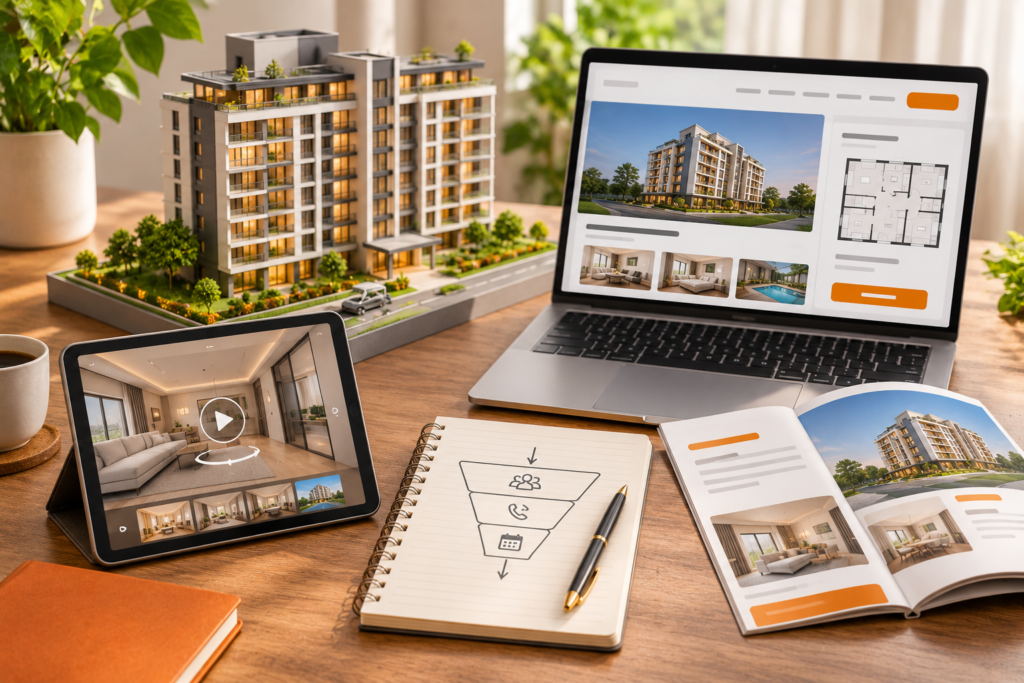
Buying a home or investing in property is one of the biggest decisions most people make. It takes time, research, and trust. Buyers compare projects online, watch walkthroughs, read reviews, ask relatives, visit sites, and often take months to decide.
That’s why real estate marketing isn’t just about advertising a project. It’s about being found when buyers start looking, building enough trust to earn a site visit, and following up consistently until they’re ready. This guide covers real estate marketing ideas that generate leads for developers, builders, brokers, and property consultants, from branding and websites to video, search, social media, paid ads, events, referrals, and lead follow-up. It’s written with India in mind and applies more widely.
A note first: real estate advertising is regulated. Requirements such as project registration details, accurate claims, and consent for contacting leads vary by state and change over time. Check current RERA, advertising standards, and data-protection rules with the relevant authorities and a legal adviser before you publish campaigns.
What Makes Real Estate Marketing Different?
- Long, considered decisions. Buyers take weeks or months and involve family members.
- High value and high trust. People want proof, transparency, and credibility before committing.
- Visual and spatial. Buyers need to imagine living in a space they can’t yet see or touch.
- Location is central. Neighbourhood, connectivity, and surroundings matter as much as the property.
- Multiple stakeholders. Developers, brokers, channel partners, banks, and buyers all play a part.
- Lead quality matters more than lead quantity. A smaller number of genuine buyers beats many unqualified enquiries.
- Follow-up wins deals. Many sales are lost not at the marketing stage but in slow or inconsistent follow-up.
Idea 1: Build a Strong Brand Before You Push Leads
In a market with many similar projects, brand affects whether buyers trust you enough to visit. A clear positioning answers:
- Who is this project or company for: first-time buyers, families, investors, NRIs, senior living, or luxury buyers?
- What makes it different: location, design, quality, price, amenities, or developer track record?
- How should buyers feel: secure, aspirational, practical, or community-oriented?
A thoughtful brand strategy defines this positioning, and a consistent brand identity gives your projects a recognisable look on hoardings, brochures, websites, social media, and sales offices. A distinctive logo design for the company and for each project helps people remember you, and cohesive graphic design across brochures, floor plan sheets, and ads keeps everything professional.
Idea 2: Create a Website and Project Pages That Convert
Your website is often where buyers decide whether to take the next step. For each project, include:
- Clear overview: location, type of homes, configurations, status, and key highlights
- Registration and approval details: displayed as required by local regulations
- High-quality visuals: renders, photos, and videos
- Floor plans and unit layouts: easy to view and download
- Amenities and specifications: described honestly and specifically
- Location advantages: distances, connectivity, and nearby facilities, with an interactive map
- Pricing information or clear enquiry paths: with transparency about what’s included
- Developer credentials: past projects, team, and track record
- Easy enquiry options: forms, call buttons, WhatsApp, and site-visit booking
- Mobile-friendly design: most buyers browse on phones first
Thoughtful web design and development and clear UI/UX design make it easy for buyers to find what they need and take action. Keep forms short, make phone and WhatsApp options obvious, and test the experience on real phones.
Idea 3: Use Dedicated Landing Pages for Campaigns
Instead of sending all ad traffic to a general homepage, create focused landing pages for each project, offer, or audience. A strong landing page has:
- A clear headline matching the ad that brought the visitor
- One main action, such as “Book a site visit” or “Download brochure”
- Key project details and visuals above the fold
- Trust signals such as registration details, developer credentials, and testimonials
- A short form that asks only for essential information
- Fast loading and mobile-friendly design
Separate pages for different audiences, such as first-time buyers, investors, and NRIs, let you tailor messages to what each cares about.
Idea 4: Show the Property With Video, 3D, and Virtual Tours
Because buyers often can’t see the finished building, visual storytelling is especially valuable in real estate.
- Walkthrough videos: Show layouts, flow, and finishes
- 3D visualisation and virtual tours: Let buyers explore apartments, villas, and amenities before construction is complete
- Drone and site videos: Show the location, surroundings, and construction progress
- Neighbourhood videos: Highlight schools, hospitals, parks, markets, and transport
- Progress updates: Build trust by showing the project advancing on schedule
- Customer and homeowner stories: Let real buyers share their experience
A 3D explainer video can present spaces, structures, and features that don’t yet exist, while a 2D explainer video works well for explaining the buying process, payment plans, or home loan steps in simple terms. Animated motion graphics can bring location maps, amenity highlights, and floor plan features to life, and creator-style UGC videos can capture authentic reactions from site visitors or residents, with permission.
Make sure all visuals are accurate and clearly labelled as artist’s impressions where applicable, so buyers aren’t misled.
Idea 5: Win Local and Property Searches
Many buyers start with searches like “3 BHK apartments in [area]” or “villas near [landmark].” To appear for those searches:
- Optimise your website: Create clear pages for each project and area, with unique, helpful content
- Claim and complete your business listings: Keep address, phone, photos, and hours accurate
- Collect reviews: Encourage happy buyers and residents to share honest feedback
- Create helpful content: Write neighbourhood guides, buying guides, and FAQs
- Use structured information: Make project names, locations, and key details easy for search engines to understand
- Keep content current: Update availability, progress, and offers regularly
Search visibility takes time to build, but it brings buyers who are already actively looking.
Idea 6: Publish Content That Answers Buyer Questions
Content builds trust and attracts people early in their search. Ideas include:
- Buying guides: Steps to buy a home, documentation checklists, and what to check before booking
- Home loan explainers: How loans work, eligibility basics, and questions to ask lenders (general information, not financial advice)
- Neighbourhood and lifestyle guides: Schools, commutes, healthcare, markets, and community life
- Investment explainers: What to consider when buying for rental or long-term value, framed carefully without promising returns
- Construction and quality content: Materials, approvals, and processes explained plainly
- FAQs: Possession timelines, maintenance, parking, and amenities
- Comparison guides: Apartment vs villa, ready-to-move vs under-construction
A documented content strategy helps you plan topics around real buyer questions and different stages of the buying journey. Avoid guarantees about appreciation or returns, and keep claims factual.
Idea 7: Use Social Media to Build Awareness and Trust
Real estate buyers do research on social platforms, especially Instagram, Facebook, YouTube, and LinkedIn for investors and corporate audiences.
- Instagram and Facebook: Share walkthrough reels, construction updates, amenity highlights, and homeowner stories
- YouTube: Host longer tours, neighbourhood videos, and educational content
- LinkedIn: Useful for commercial real estate, investor communication, and developer credibility
- WhatsApp: A common channel for sharing brochures, location pins, and site-visit coordination, with consent
Consistent social media marketing keeps your projects visible and builds familiarity. See [How to Create an Effective Social Media Strategy] for a step-by-step approach, and [How Businesses Use Social Media for Marketing: 12 Practical Ways] for broader ideas.
Idea 8: Run Targeted Paid Campaigns
Paid ads can generate leads faster than organic methods, especially for launches and limited-time offers.
- Search ads: Capture people actively searching for homes in specific areas
- Social ads and lead forms: Reach defined audiences by location, interests, and behaviour
- Display and video ads: Build awareness and retarget website visitors
- Retargeting: Show ads to people who viewed a project but didn’t enquire
- Local targeting: Focus on areas relevant to your buyers, including NRIs in specific locations if relevant
To get better results:
- Send traffic to focused landing pages, not generic pages
- Use clear, accurate messaging, with required legal details
- Test several creatives and audiences
- Track cost per lead, but also cost per qualified lead and cost per site visit
- Follow platform policies and advertising standards
Structured performance marketing helps connect ad spend to site visits and bookings, not just form fills.
Idea 9: Respond Fast and Follow Up Consistently
Many real estate leads go cold because follow-up is slow. Build a simple system:
- Respond quickly: Contact new enquiries promptly, by phone or WhatsApp, within the consent they’ve given
- Qualify leads: Ask about budget, timeline, location, home type, and purpose
- Use a CRM: Track every lead, conversation, and next step
- Nurture with useful content: Send brochures, videos, loan information, and updates
- Invite to a site visit: Make booking easy and confirm in advance
- Follow up after visits: Answer questions and address concerns
- Respect rules and preferences: Follow applicable telemarketing, consent, and data-protection requirements, and honour opt-outs
Marketing that generates leads is wasted if the follow-up process can’t convert them.
Idea 10: Make Site Visits an Experience
The site visit is often the turning point. Make it count:
- Prepare a clear presentation with brochures, floor plans, and pricing information
- Set up a well-designed sales office or model unit, where possible
- Train the sales team to listen, answer honestly, and avoid pressure tactics
- Provide a smooth experience, including transport or clear directions
- Offer refreshments and a comfortable space for families to discuss
- Share follow-up materials after the visit
Brand consistency matters here too. The look and feel of your sales office, brochures, and presentations should match your digital presence.
Idea 11: Use Referrals and Testimonials
Property is a trust-driven purchase, and referrals are powerful.
- Referral programmes: Reward existing buyers who recommend friends and family, with clear and compliant terms
- Testimonials and videos: Share real buyer stories, with consent
- Resident communities: Engage current owners through events and updates
- Reviews: Encourage honest feedback on listings and social channels
- Case stories: Show how past projects were delivered and received
Authentic stories from real homeowners often persuade more than polished brochures.
Idea 12: Build Channel Partner and Broker Relationships
Many developers rely on brokers and channel partners. Make it easy for them to sell your project:
- Provide clear, accurate project information and marketing materials
- Create a partner portal or shared folder with brochures, price sheets, and visuals
- Offer training sessions and site tours
- Share timely updates on availability and offers
- Set transparent commission terms
- Maintain open communication and respond to partner queries quickly
Brokers who understand and trust your project will represent it better.
Idea 13: Host Events, Webinars, and Open Houses
Events bring buyers together and create urgency.
- Open house days and launch events: Showcase the project in person
- Virtual launches and webinars: Reach out-of-town and NRI buyers
- Home loan and legal clinics: Partner with banks and legal experts to answer questions, with clear, compliant information
- Neighbourhood events: Build local awareness and goodwill
- Exhibitions and property expos: Meet many buyers at once
Promote events through your website, social media, email, WhatsApp, and print, and follow up promptly with attendees.
Idea 14: Use Offline Channels Wisely
Offline marketing still matters, particularly for local audiences.
- Hoardings and outdoor ads: Place them near the site and along key commuter routes
- Print and brochures: Provide premium, informative materials for sales visits
- Signage at the site: Make the project visible and professional
- Newspaper and local media: Useful for launches and announcements
- Partnerships: Collaborate with corporate offices, banks, and community groups
Maintain a consistent look across all materials so buyers connect your offline and online presence.
Idea 15: Focus on Transparency and Compliance
In real estate, trust is a competitive advantage.
- Include required registration and approval details in your marketing, as per applicable regulations
- Describe amenities, specifications, and timelines accurately
- Label renders and artist’s impressions clearly
- Avoid exaggerated claims, guaranteed returns, or misleading comparisons
- Be clear about pricing, charges, and payment terms
- Obtain consent before collecting and using personal data, and store it securely
- Follow advertising standards, such as those from ASCI in India, and state-specific RERA rules
Transparent marketing builds credibility and reduces the risk of disputes.
How to Measure Real Estate Marketing
Track results through the whole funnel, not just lead volume.
| Stage | Useful measures |
|---|---|
| Awareness | Reach, video views, website traffic, branded search |
| Interest | Brochure downloads, enquiries, WhatsApp chats, cost per lead |
| Qualification | Qualified lead rate, budget fit, timeline fit |
| Visit | Site visits booked and completed, cost per site visit |
| Decision | Bookings, conversion rate, sales cycle length |
| Advocacy | Referrals, reviews, repeat buyers |
Also track which sources produce the best-quality leads, not just the cheapest ones. A source that sends fewer enquiries but more site visits and bookings is more valuable.
Common Real Estate Marketing Mistakes
- Chasing lead volume over lead quality. Many unqualified leads waste sales time.
- Slow or inconsistent follow-up. Buyers move on to competitors.
- A weak or confusing website. Poor project pages lose interest.
- Generic messaging. Every project claims “luxury living”, so be specific.
- Low-quality visuals. Poor photos and renders hurt credibility.
- Misleading claims. They risk legal issues and long-term damage.
- Sending all traffic to one page. Tailored landing pages convert better.
- Ignoring existing buyers. Referrals and reviews are powerful.
- Inconsistent branding. Different looks across channels reduce trust.
- Not tracking source quality. You can’t improve what you don’t measure.
- Neglecting broker and partner support. Weak support limits reach.
- Ignoring data and consent rules. It creates compliance and reputation risks.
A Quick Real Estate Lead Generation Checklist
- Positioning and target buyers defined
- Brand identity and brochures consistent and professional
- Website with detailed project pages and easy enquiry options
- Dedicated landing pages for campaigns
- Videos, 3D visuals, and virtual tours prepared
- Local and property search visibility set up
- Helpful content for different buyer stages
- Social media and paid campaign plans ready
- CRM and follow-up process in place
- Site visit experience planned
- Referral, testimonial, and review process defined
- Broker and channel partner materials ready
- Compliance and consent checks completed
- Measurement tracked from lead to booking
Final Thought
Real estate marketing that generates leads isn’t about shouting the loudest. It’s about being visible when buyers start searching, showing the property convincingly, building trust through transparency, and following up consistently. Start with a clear brand and a strong website, add video, search, social media, and targeted ads, and invest in the follow-up system that turns interest into site visits and bookings.
If you’d like help with real estate branding, project websites, 3D and video content, or lead-generation campaigns, talk to Akkenna.
FAQ
What are the best real estate marketing ideas to generate leads? Build a strong brand and project website, use dedicated landing pages, show properties through video, 3D visuals, and virtual tours, optimise for local search, publish helpful content, run targeted paid ads, and follow up on leads quickly and consistently.
How do real estate developers get leads? Developers typically combine digital channels such as websites, search, social media, and paid ads with referrals, channel partners, events, and offline marketing. Lead quality and fast follow-up matter as much as the volume.
Is social media effective for real estate marketing? Yes, particularly for video walkthroughs, construction updates, and community building. Its role is often to build awareness and trust that lead to enquiries and site visits.
What kind of videos work best for real estate? Walkthroughs, 3D visualisations, drone and neighbourhood videos, construction progress updates, homeowner stories, and explainers about buying and financing all help. Make sure visuals are accurate and labelled properly.
How can real estate agents and brokers get more leads? Build a personal brand, keep listings and profiles accurate, share helpful local content, ask for reviews, build referral relationships, and respond quickly to enquiries.
Do I need a website for real estate marketing? Yes. A well-built website with clear project pages, visuals, and enquiry options gives buyers a trusted place to learn and take the next step, and supports your ads and search visibility.
How important is follow-up in real estate? Very. Many leads are lost to slow or inconsistent follow-up. A CRM, quick responses, useful nurturing, and easy site-visit booking significantly help conversion.
Are there rules for real estate advertising? Yes. Requirements such as project registration details, accurate claims, and consent for contacting leads vary by location and change over time. Check current regulations and advertising standards with the relevant authorities or a legal adviser.
