ANDROID · IOS · DEVICE AND JOURNEY COVERAGE
Mobile Application Testing in India
Check the app in the conditions people use it.
A mobile journey can change with the device, permissions, connection and app state. Akkenna scopes mobile application testing around the supported configurations and user tasks that matter to your release, with reproducible findings and clear coverage limits.
Based in Peelamedu, Coimbatore · Working with your product and development team.
01 / THE SCOPE
Cover the behaviour around the screen.
The test plan identifies the app builds, device/OS combinations and services in scope. Real-device and emulator or simulator use are agreed according to the checks and available access.
Functional user journeys
Review onboarding, sign-in, navigation and the main task, including validation, role rules and important error messages.
Acceptance criteria · Normal paths · Exceptions
Device and OS coverage
Test selected screen sizes, OS versions and configurations based on supported users and release priorities. Record the actual combinations used.
Device matrix · Layout · Compatibility
Permissions and privacy controls
Check the behaviour when permissions are granted, denied or changed. Review user-facing explanations and the application’s response within the agreed scope.
Permission states · Settings · Recovery
Connectivity and interruptions
Exercise selected slow, unavailable or changing connections, backgrounding and interruptions. Examine feedback, state preservation and retry behaviour.
Network states · App lifecycle · Recovery
Install, update and notifications
Scope installation, upgrade, sign-out and notification journeys appropriate to the release. Validate account and data behaviour against the agreed requirements.
Build changes · Session state · Notifications
Usability and accessibility checks
Review readable content, touch interactions, focus and selected assistive-technology behaviour. Formal accessibility conformance assessment is a separate scope.
Touch targets · Reading order · Assistive use
02 / A PRACTICAL EXAMPLE
Make the device matrix specific enough to execute.
This sample plan shows how a booking app’s journeys can be paired with realistic conditions. Your actual devices, versions and expected outcomes must be agreed before testing.
Illustrative mobile test matrix — not coverage claimed for a client application.
| Journey | Condition to exercise | Behaviour to review |
|---|---|---|
| First sign-in | A fresh install on an agreed supported device. | Clear onboarding, valid and invalid credentials, and an understandable recovery route. |
| Booking confirmation | The network becomes unavailable during submission. | Visible request status and recovery that follows the agreed duplicate-booking rule. |
| Resume a task | The app moves to the background and returns. | The task and session behave as specified, including any expiry or reauthentication. |
| Open a notification | The app is open, backgrounded or closed. | The notification opens the correct destination for the current account and app state. |
| Upgrade the app | A previous supported build contains representative sample records. | The update preserves or migrates the required data and reports any problem clearly. |
A device list is not a claim of complete market coverage. The report should identify tested builds and configurations, blocked cases, environment limitations and any areas that need further review.
03 / HOW THE ENGAGEMENT WORKS
Keep the build, environment and result connected.
Define the release
Review the app, supported users, changed features and important journeys.Output: test objectives and release priorities.
Agree the matrix
Select devices, operating systems, installation routes, services and test data.Output: configuration matrix and readiness checklist.
Run the scenarios
Exercise the planned journeys and agreed interruptions, recording the build and conditions.Output: execution evidence and reproducible findings.
Triage and retest
Review issue impact with the team and check selected fixes on the specified build.Output: updated issue status and retest evidence.
Summarise the release
Document completed coverage, open findings and remaining risks for the release owner.Output: a test summary with clear limits and next actions.
04 / WHAT YOU RECEIVE
A report that makes a mobile issue reproducible.
The written proposal defines the deliverables, execution effort, review rounds and handover included.
- 01
Device and build matrix
The selected devices, OS versions, builds and services reviewed.
- 02
Journey and scenario set
Functional checks, selected lifecycle conditions and expected outcomes.
- 03
Issue evidence
Steps, screenshots or recordings where appropriate, observed behaviour and relevant environment details.
- 04
Retest and regression record
Which fixes were checked and which nearby journeys were repeated.
- 05
Release summary
Coverage, unresolved findings, blocked checks and recommendations for the next decision.
05 / CLEAR RESPONSIBILITIES
Agree what a mobile-testing engagement includes.
Actual device coverage
List the devices and versions you need, what can be tested on physical hardware and where simulators or emulators are acceptable.
Connected environments
Confirm test payment, notification, analytics and API configurations. Avoid unplanned real transactions or messages during execution.
Specialist measurement
Performance profiling, battery analysis, penetration testing and formal accessibility assessment require explicit methods and tools in scope.
Store submission
Testing does not guarantee app-store approval. Store preparation and submission checks can be discussed separately from functional test execution.
06 / PRIORITISE THE WORK
Spend coverage where a failure matters most.
The widest possible device list is not always the most useful starting point. Prioritise using the supported audience, changed functionality and consequences of failure.
- Core taskStart with the journey that lets a user complete the app’s main purpose.
- ConditionsAdd the permission, connection and lifecycle states most relevant to that journey.
- RegressionRevisit the stable critical paths after a build, SDK, dependency or operating-system change.
07 / RELATED DEVELOPMENT WORK
Applications with real business rules.
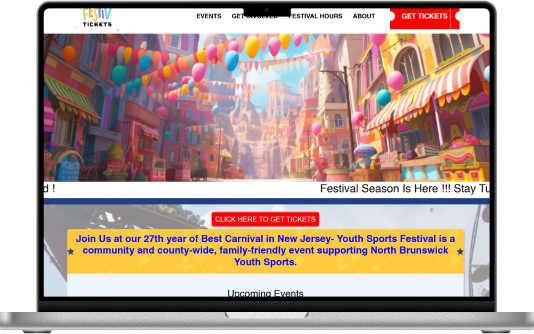
Event booking combines customer journeys and organiser operations. Festive Tickets is a related web-and-mobile development project from Akkenna’s portfolio; it is not presented as a standalone mobile-testing case or a device-coverage result.
Festive Tickets
An event-discovery and ticket-purchasing project with connected website and mobile work and organiser administration tools.
Explore the development project08 / QUESTIONS BEFORE WE BEGIN
Make the scope clear before testing starts.
Do you test Android and iOS applications?
We can discuss both platforms. The proposal identifies builds, device and operating-system combinations, access, test activities and the environment needed for execution.
Will every phone and OS version be covered?
No universal coverage is implied. We agree a practical matrix based on supported users, available devices, application requirements and release priorities, then report the combinations actually tested.
Do you use real devices or simulators?
The plan can use physical devices and emulators or simulators as appropriate. Hardware-specific behaviour and some integrations need suitable real-device checks; the availability and responsibilities are agreed first.
Can you test a Flutter or React Native app?
The test scope focuses on the built application, its supported platforms and its user journeys. Access, build distribution and framework-specific considerations are reviewed during planning.
Are security and performance testing included?
Only when they are explicitly defined. Functional checks do not substitute for a penetration test or a structured performance assessment.
Can you guarantee app-store approval?
No. Approval depends on the application and the platform’s review. We can discuss a scoped readiness review, while keeping it separate from functional testing and any submission service.
09 / START WITH THE REQUIREMENT
Share the app and the release you are preparing.
Send the target platforms, critical journeys, available test builds and intended release date. We will help define the device matrix, test scope and reporting.
Akkenna · Peelamedu, Coimbatore · +91 99523 25513